Fabric of Life
By Stephen Kersh
The joy of finding something new is a feeling we don’t get to commit to memory very often. I think about it a lot with music and television; wishing I could listen to that one album for the very first time again so I could be aware of what connections were happening in my brain. Or being able to watch the pilot for Seinfeld without knowing every proceeding punchline over the course of the next countless seasons.
My best guess is when these firsts occur, we don’t have the capacity of awareness to understand the impact it will have on our future selves. I didn’t know my friend shoving an earbud of Bon Iver my way in 2008 was going to make me think about music differently, or that a sitcom I binged in high school would inform what would make me chuckle for the rest of my life. I crave finding these sorts of things. And in a way, that’s assbackwards. It can be impossible to understand the meteoric impact of art on your life until years and years have passed and you have some sort of “A-HA-it-was-Murakami-this-whole-time!” moment. These things rattle around our subconscious providing subtle hints and direction towards other interests and pursuits. And while it can be pretty easy to point back to some influences that led you to be interested in seeing another hardcore show in a musty basement, I don’t think those seminal moments are ever more clear than when they happen outside.
And I think it’s because being outside is so visceral. The combination of auditory and visual stimulus short circuits whatever processing device exists in my brain. Instead of a slow drip of information, I’m hit with an instantaneous readout of something that feels sublime. It’s that feeling of knowing you just added to the fabric of your life. Another strand of experience sewed, layering on top of the last to help weave together something ever closer to a self-actualized life.
Of course, there’s a chance that I’m over analysing everything and edging close to something possibly considered pretentious. But there’s a better chance that a shared human experience exists of being outside and realising, in so many words, that it is very, very nice.
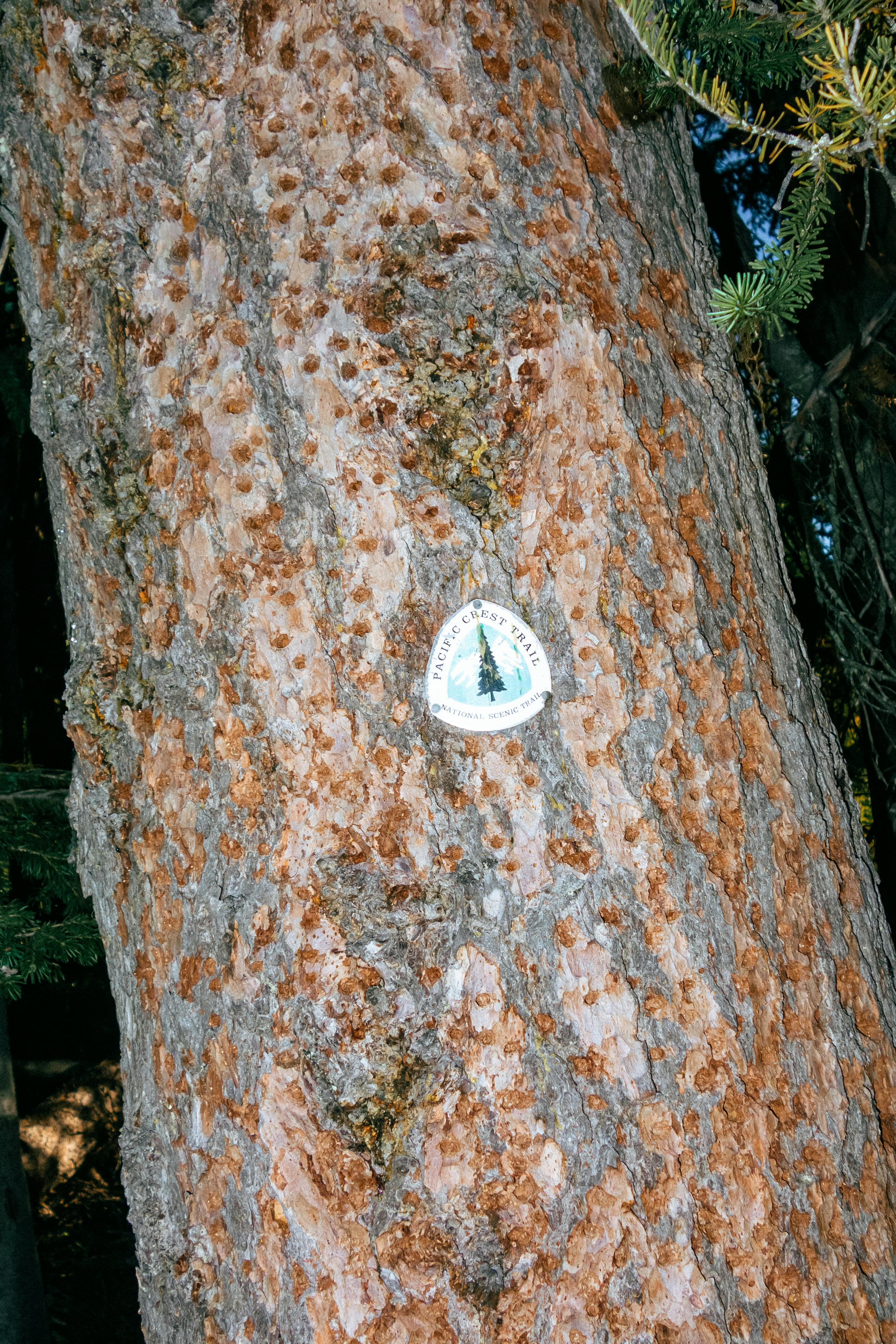
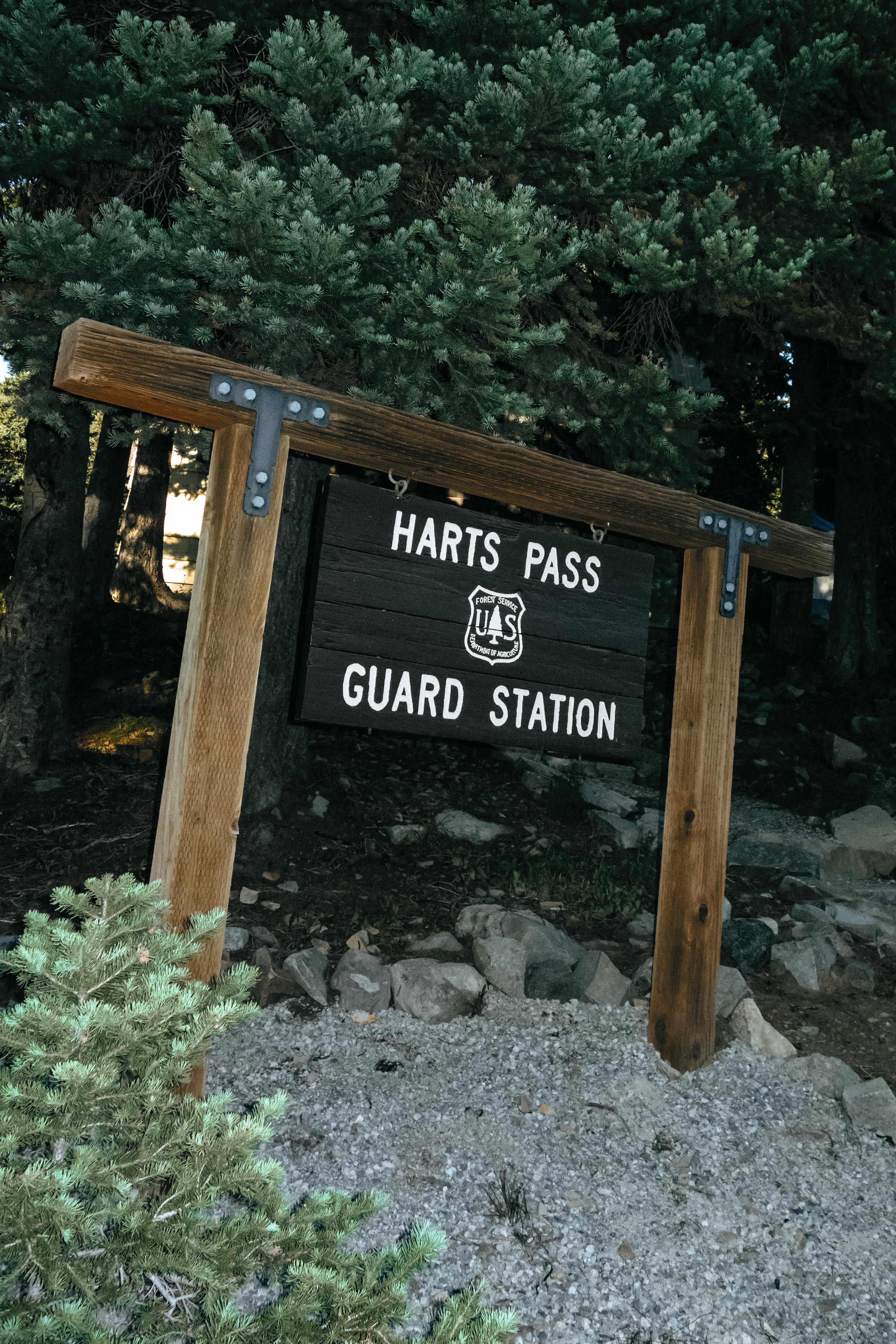
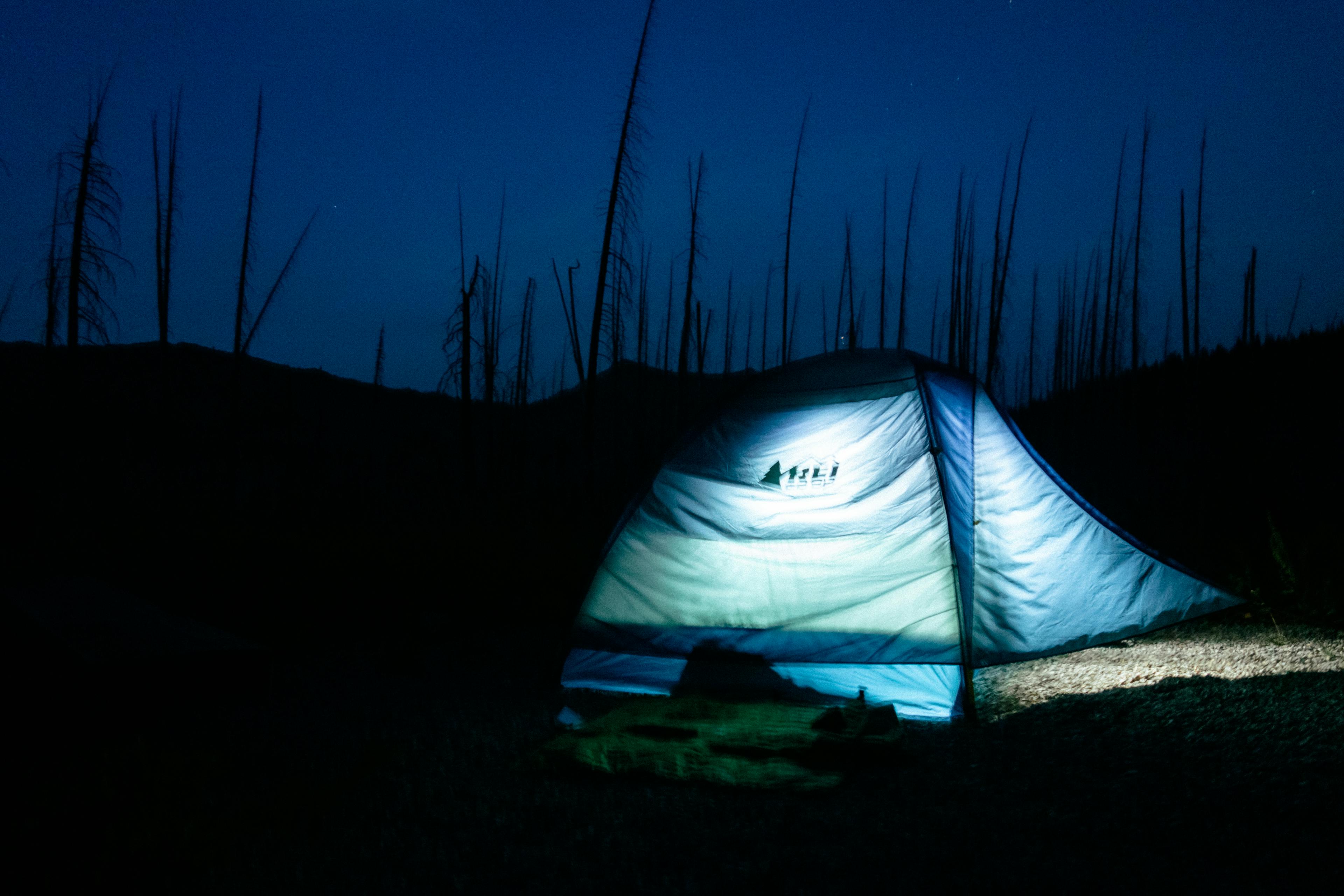
I just had one of these moments. Emma and I left our home in Seattle to go camp for a few nights somewhere near Mazama, Washington in the North Cascades. We had a vague idea of where we’d be setting up for the night but having never visited the exact area, we weren’t quite sure what was out there. Apple CarPlay was locked and loaded for some dispersed camping near Hart’s Pass, just off the Pacific Crest Trail.
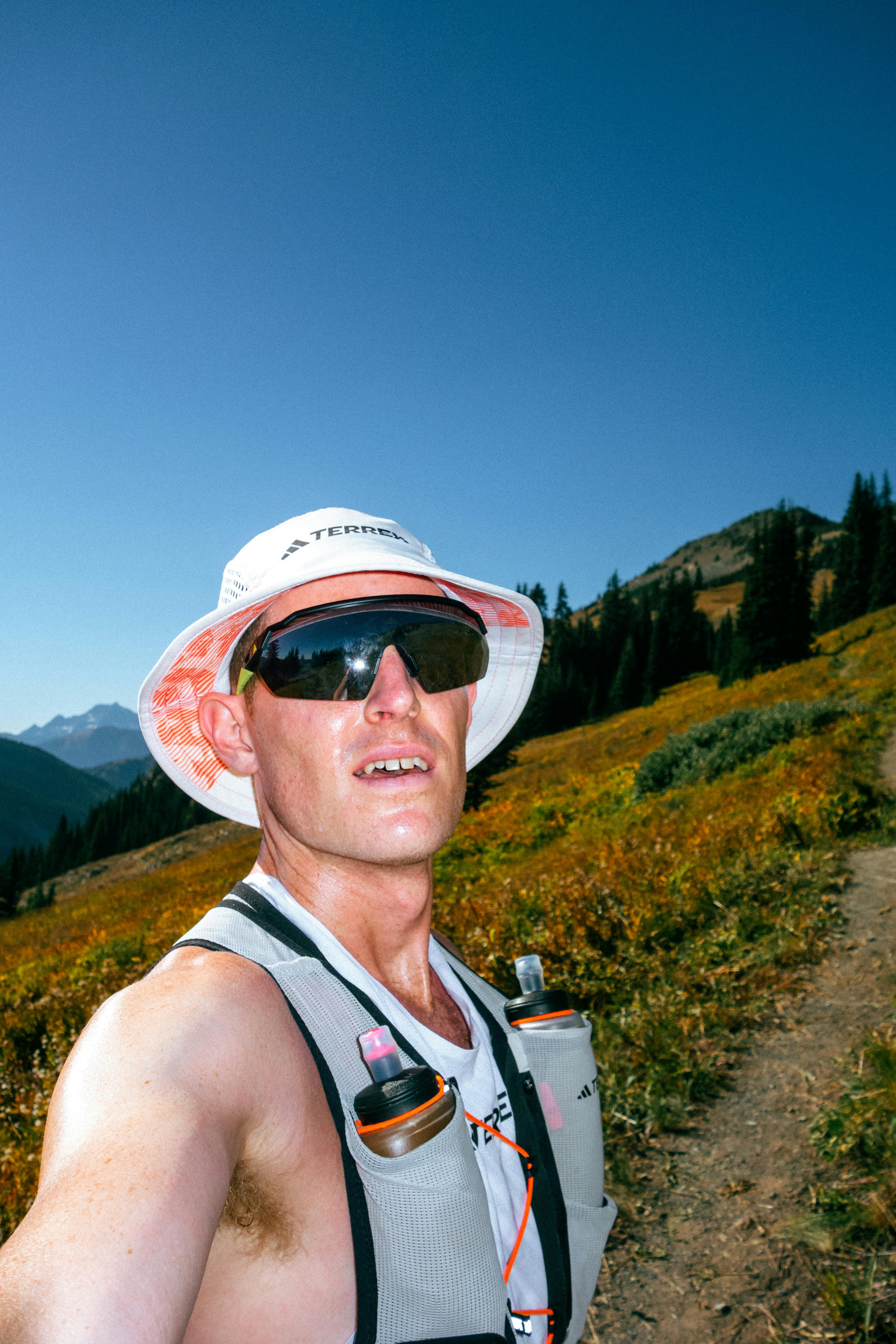
The drive from Seattle is at first pretty monotonous. A lot of trees and greenery. Which is nice, but also, at times, mind numbing. I develop a real sense of claustrophobia after a while when I’m tucked into trees like that. Being flanked by two giant walls of old growth makes me lose faith that a world exists beyond the mass of green.
Since moving to Seattle late last year, I’ve felt a bit claustrophobic. I’ve gone on runs in the magnificent forests surrounding the city that are exactly that — magnificent forests. Forests so dense, midday can feel like dusk. Forests teeming with life under every footfall. Forests with leaves the size of my chest and ferns up to my waist. When I was first acquainting myself with these trails, I would have no bearing on where I was during a run. I would turn a corner that looked like the last corner that looks like the next corner. The surroundings were and are uniquely beautiful but, at times, all I wanted was a mesa with a hundred-mile view.
Growing up in the Southwest and then living the better part of the last decade in Flagstaff, Arizona, will make someone want that mesa. There’s something about the available distance that has always been appealing to me. Something about not being so certain what exactly you’re looking at, but wanting to know more about it. The starkest example of this is Grand Canyon National Park — a place I’ve logged hundreds of miles. There are a few trees in the Canyon, but otherwise you’re treated to incomprehensible views of areas that recent humans have rarely explored. Is there an opposite to being claustrophobic? That’s what I feel sometimes in the Canyon: scared about how much space there is. A daunting, dizzying vastness capable of some of the most beautiful and terrifying experiences one can endure.
There’s one memory in particular of the Canyon that I think about often. It was November of 2020 and I was climbing out on South Kaibab trail. The sun was setting and the Canyon was draped in soft light. I was on Cedar Ridge, about 1,000 feet from the top of the Canyon, and could see the rock being freed from direct sunlight. The layers were being exposed before my eyes and the void below was turning blue-green with cool, evening air. It felt like I had the entire place to myself, being treated to something as close to holy as I could believe in. I was acutely aware I had just added to the fabric of my life.
Fast forward a few years and I’m hurtling towards the North Cascades Highway hellbent on working on this blanket. After an hour, the greenery gave way to a landscape surrounded by mountains and dotted with lakes. We weaved our way between the Cascades before popping out in a tiny town called Winthrop — known famously for a market that sells a salted baguette that becomes a totem of cultural cachet.
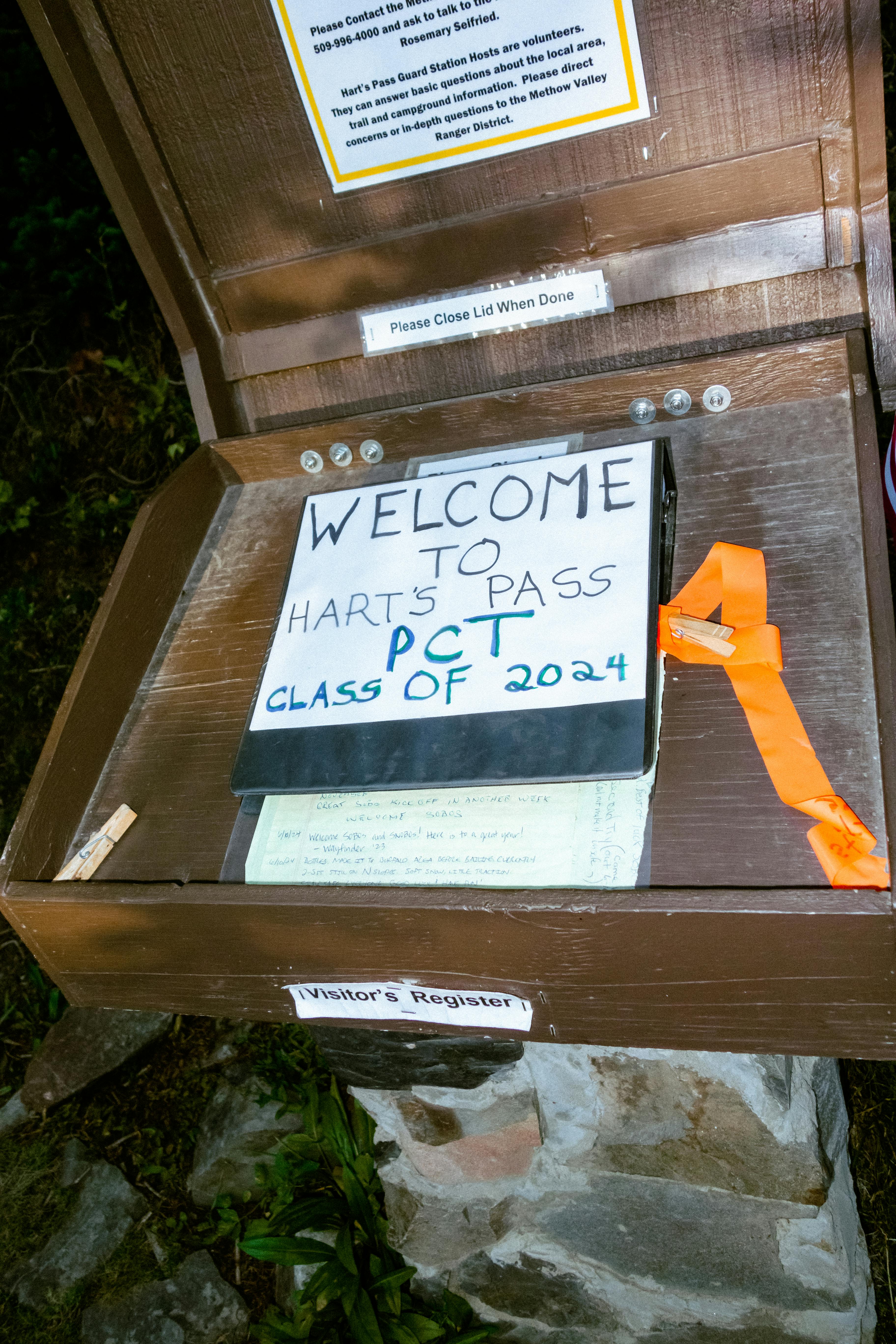
From town we crept up a steep, dirt road that led us to a campground near Hart’s Pass. After spending 15 minutes debating the virtues of site 12 versus site 13, we set up camp and took off to explore the Pasayten Wilderness on the Pacific Crest Trail. (Site 12 was better).
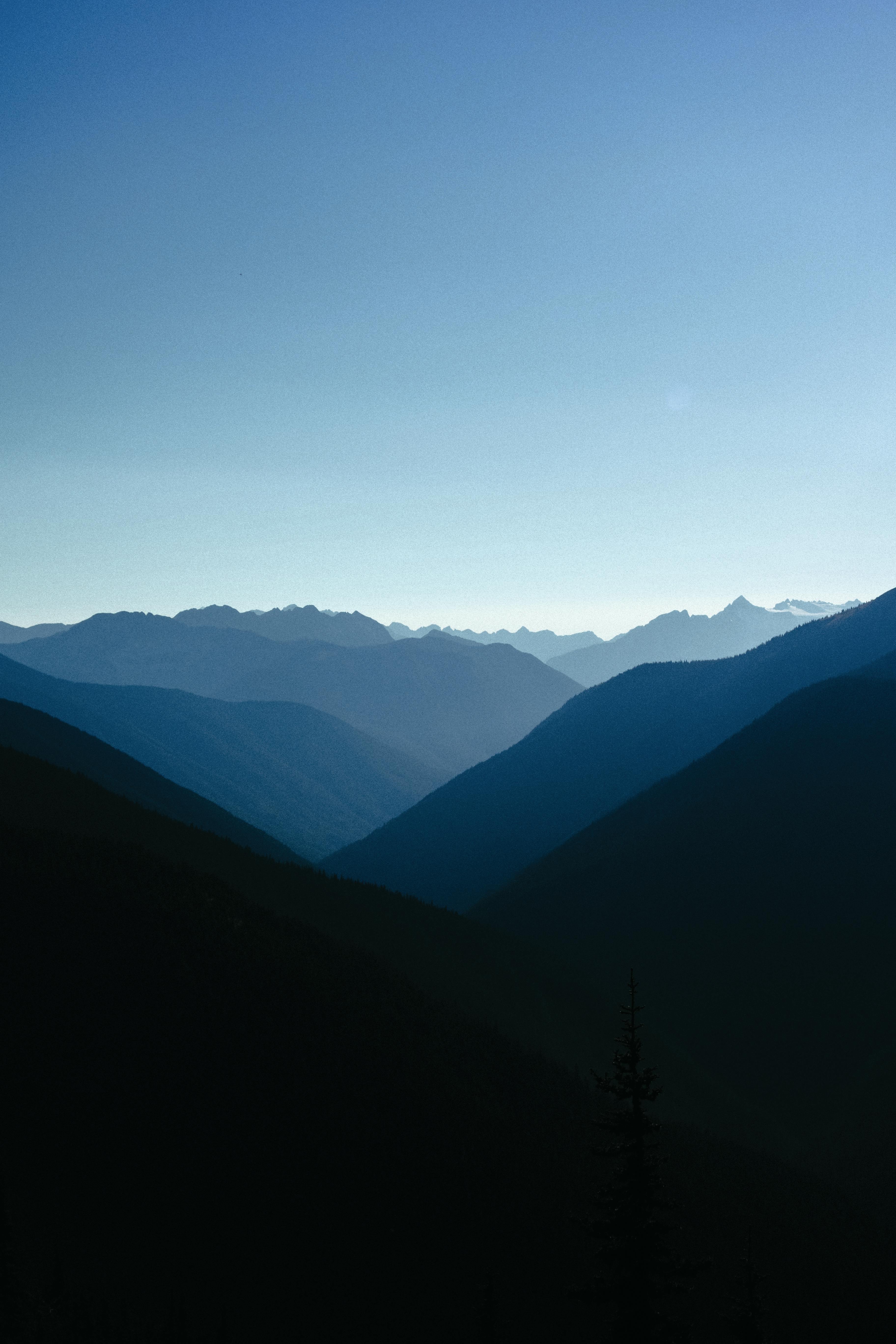
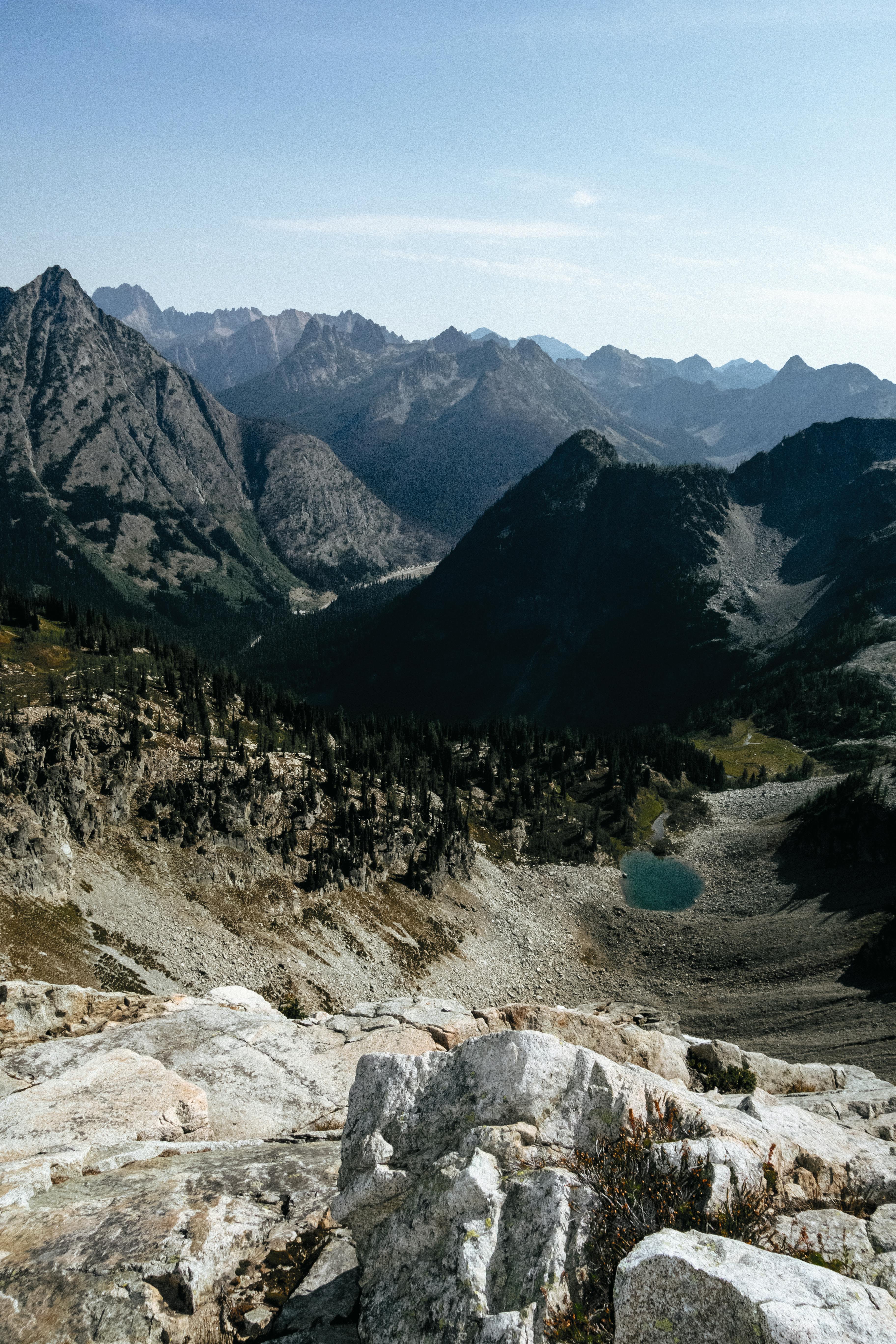
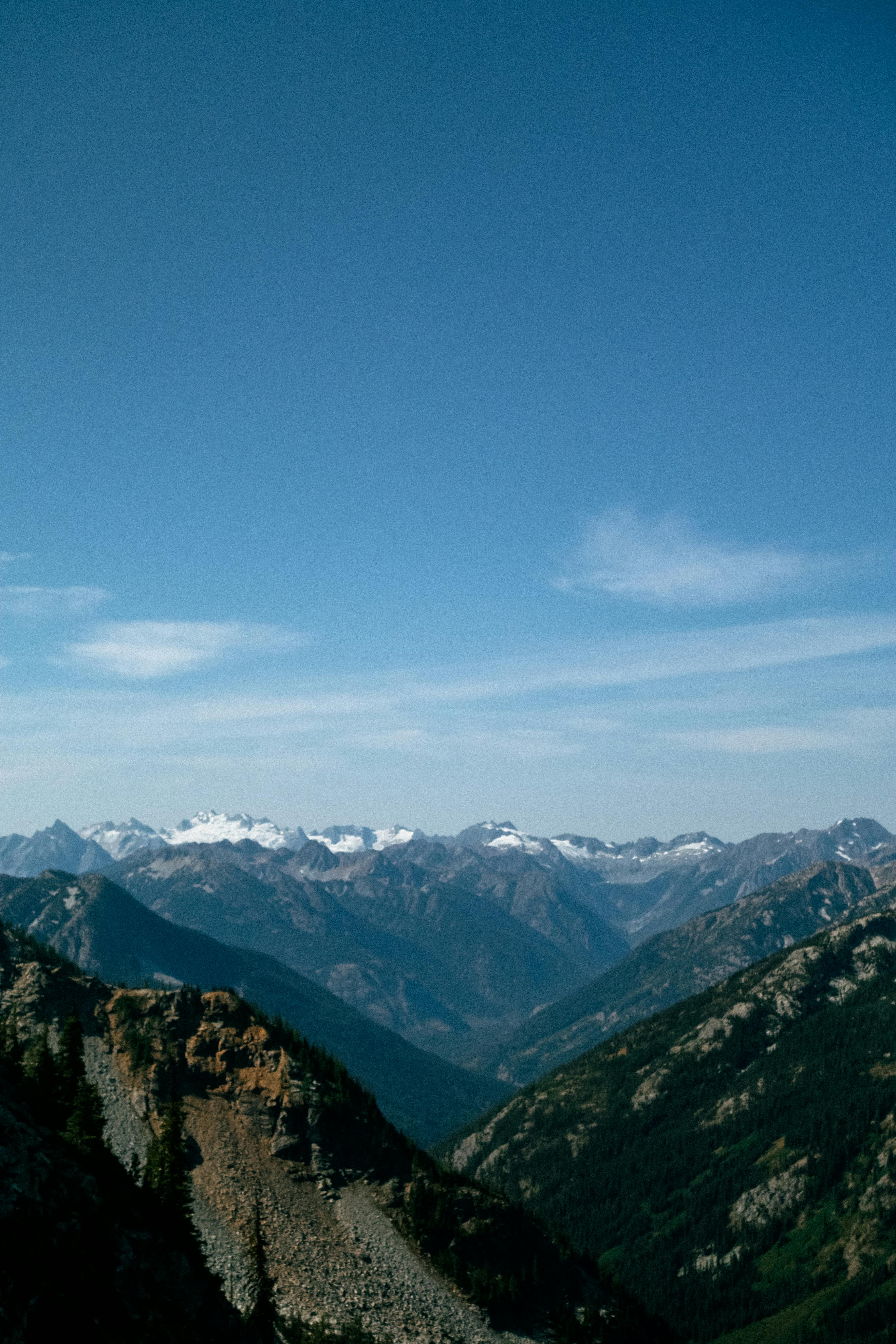
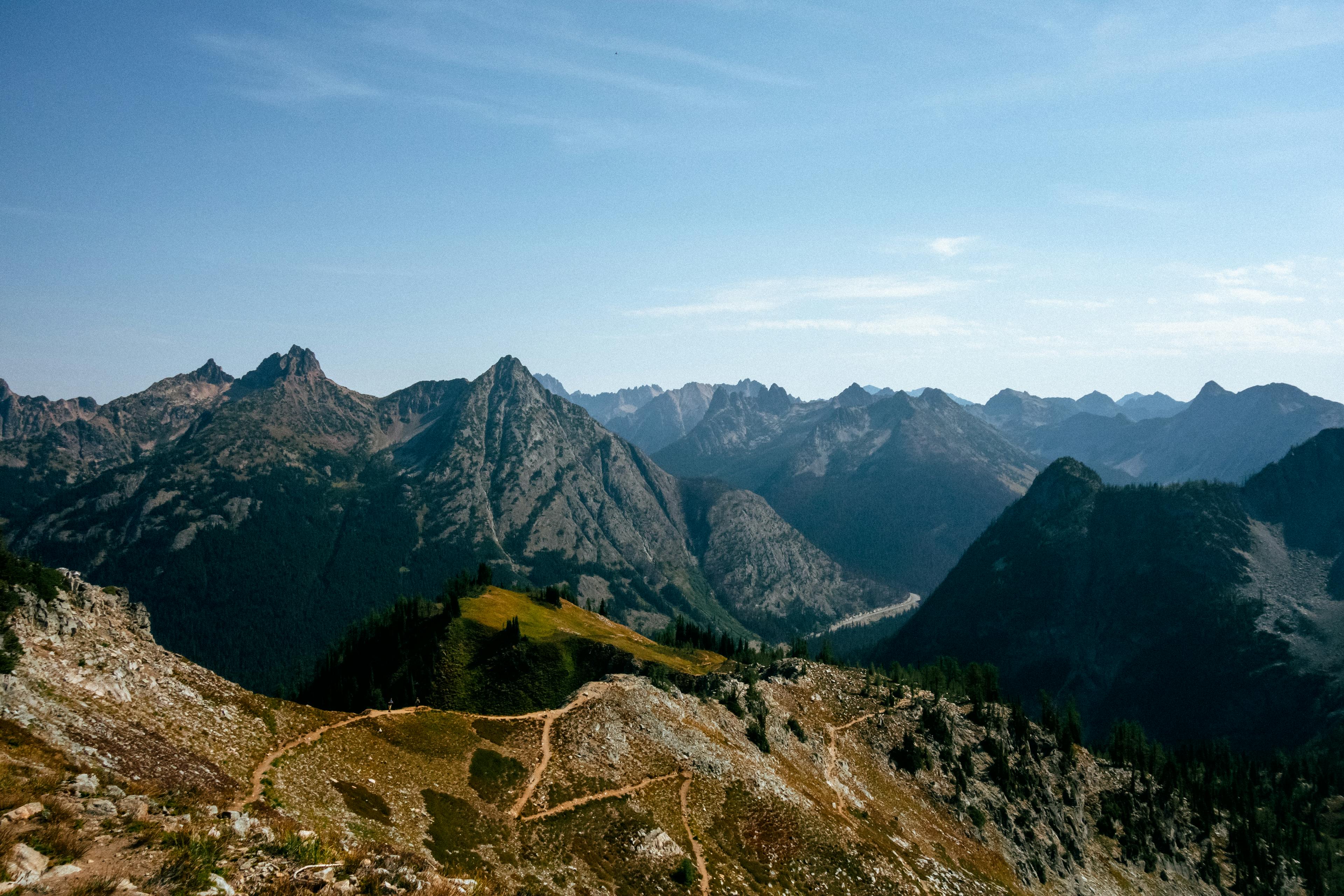
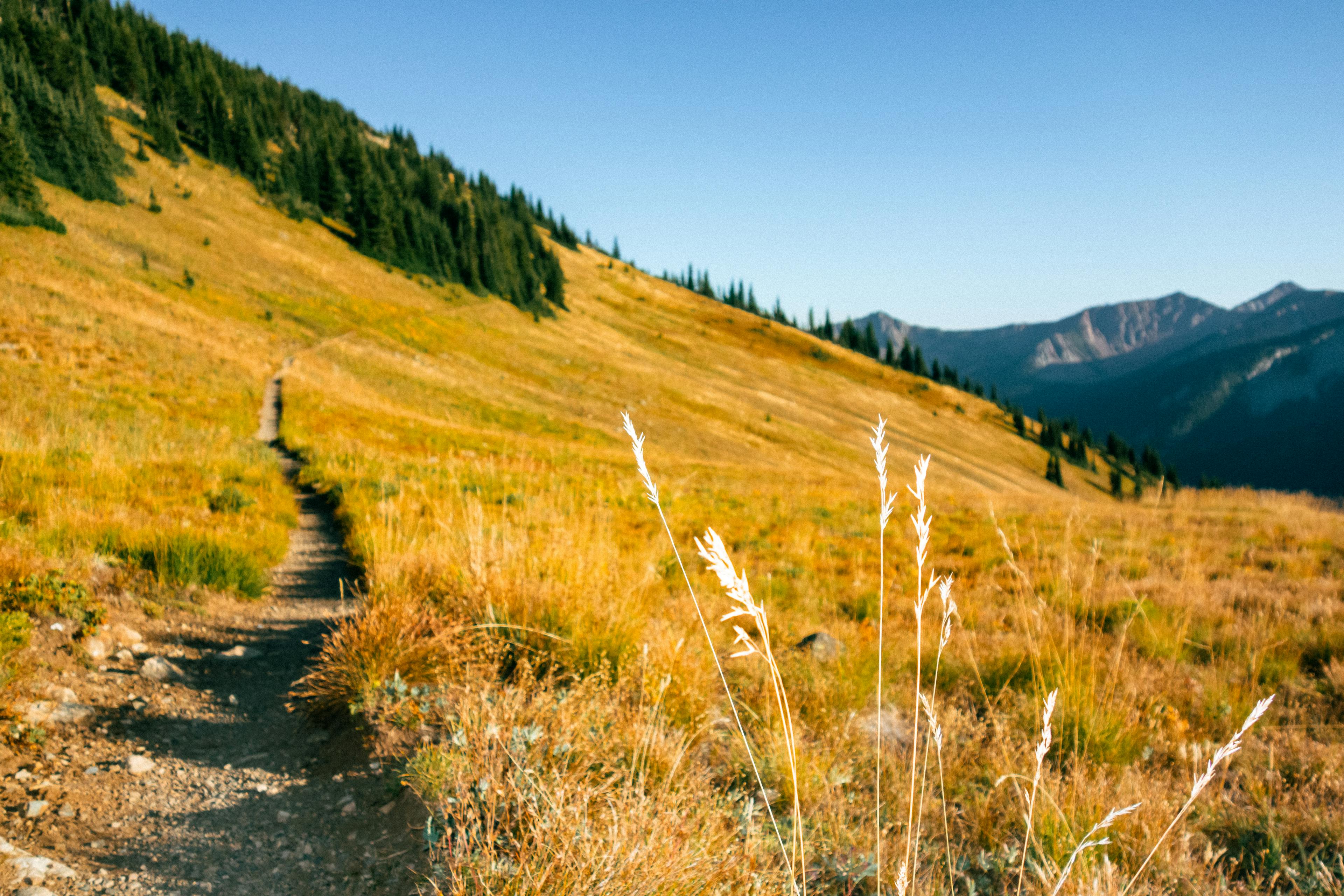
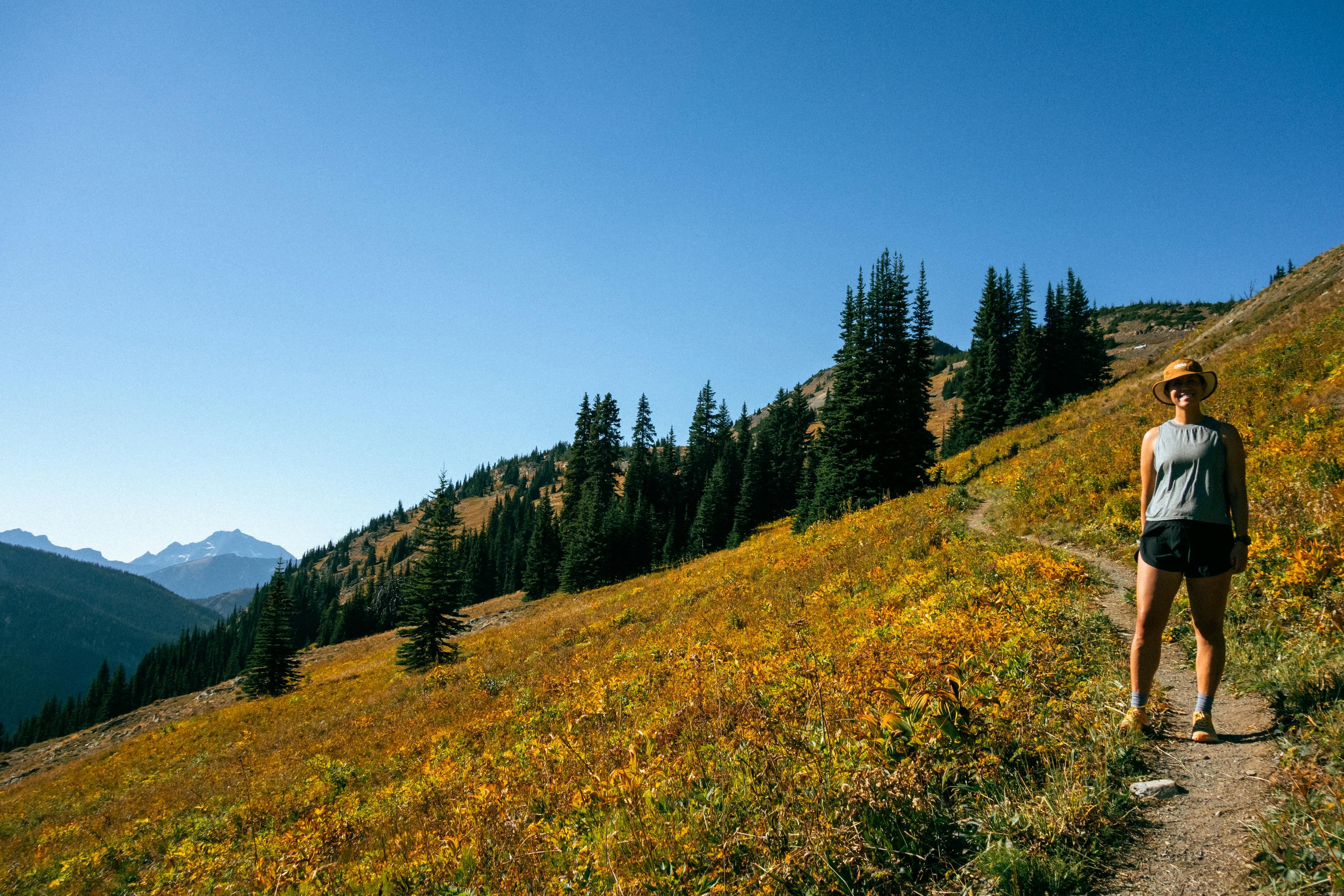
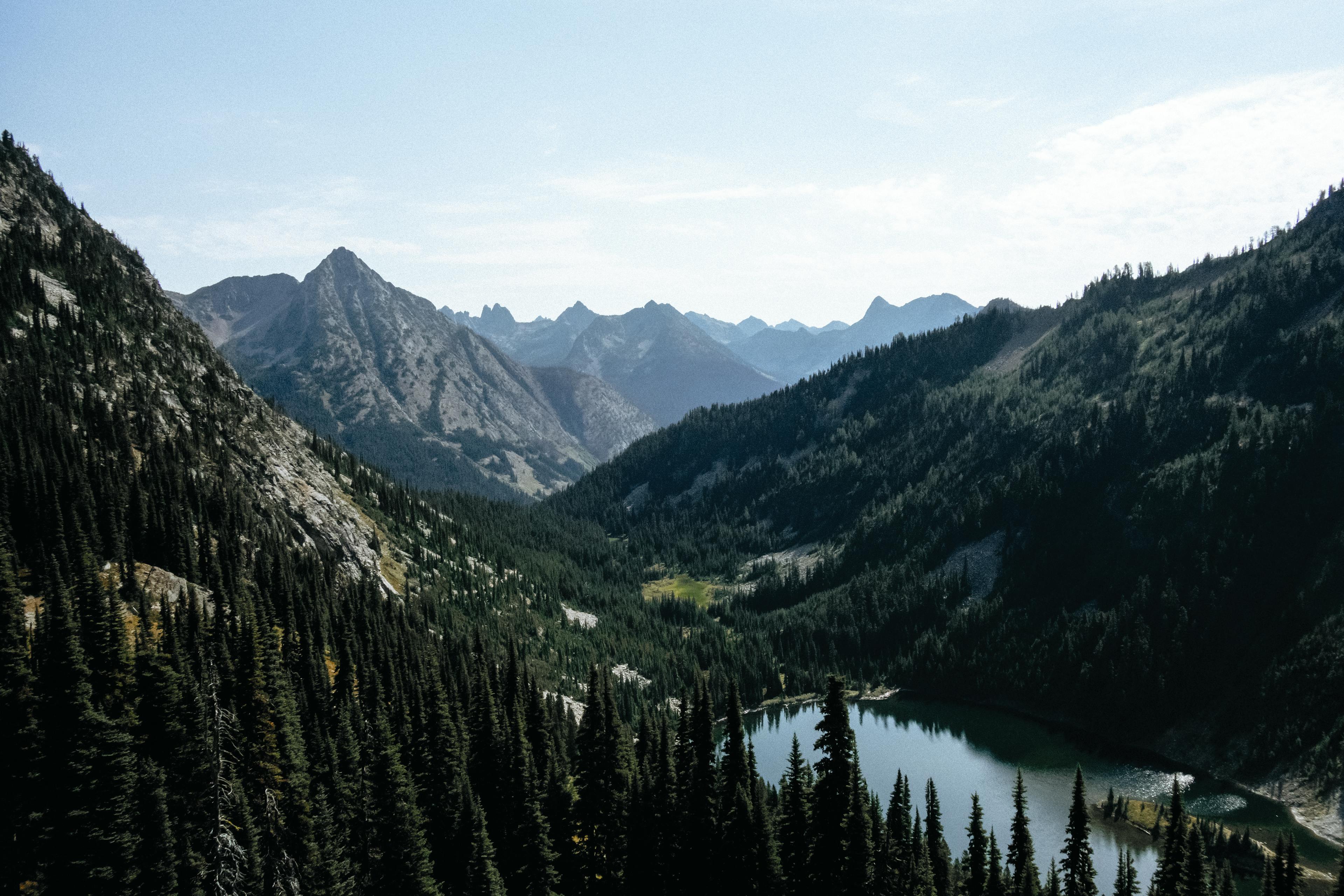
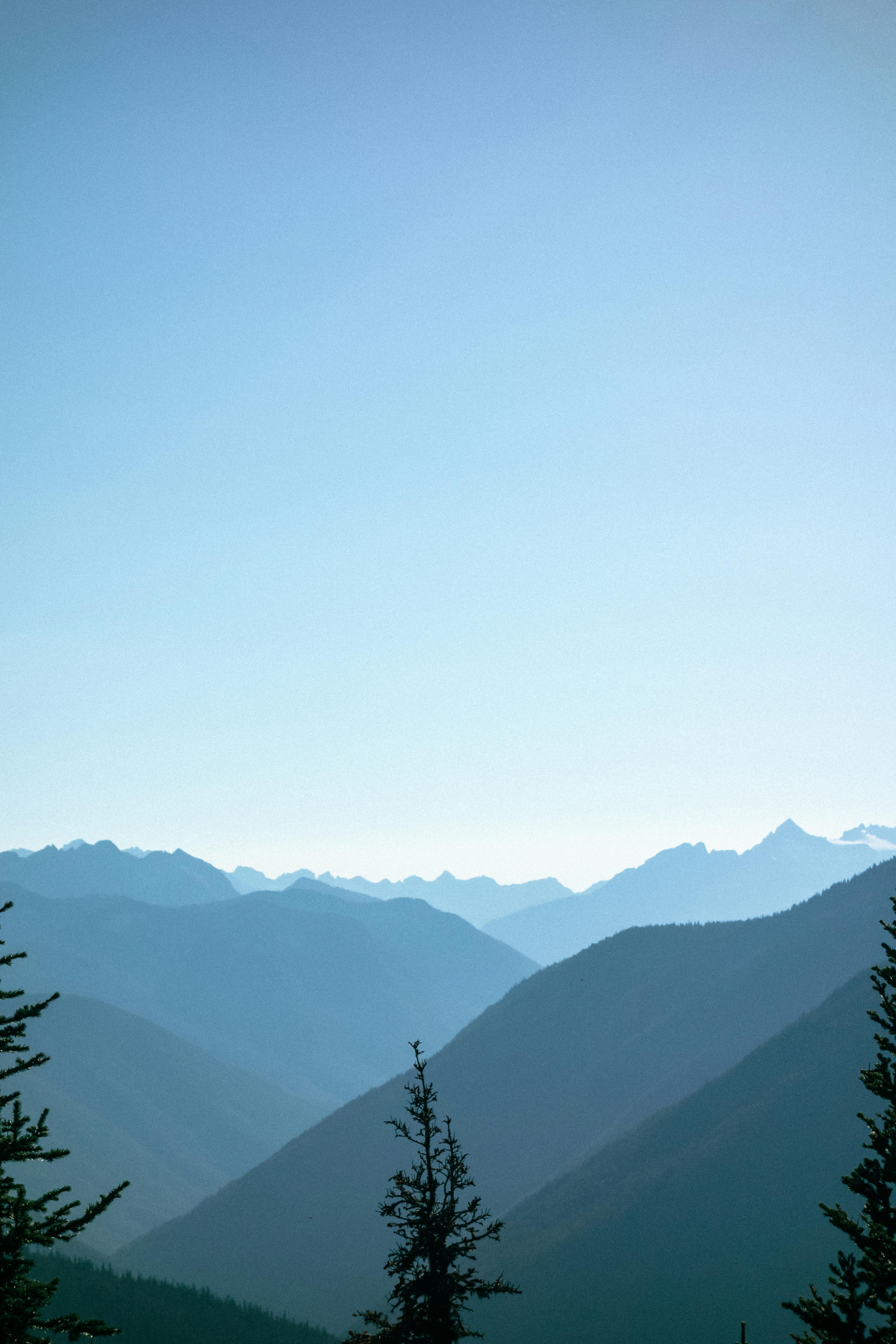
Almost immediately, we were met with postcard views. Single track stretching for miles over a canvas that dropped dramatically off into layers and layers of mountains. The summer sun hangs high this far north, but it was beginning to lower and add texture to the scene. As it set, it was adding a brilliant gradient of blue upon seemingly endless rows of mountains. I was running with a smile. I had found my view.
During that run, I was stopped in my tracks multiple times with plain ol’ awe. I just wanted to soak it all in and commit to memory what was going on around me. It was one of those moments I was harping on and on about earlier. That type of moment where it’s more dreamlike than reality. The colours are soft, but vivid. There is an intensity of focus that is also a bit fuzzy. It feels like you’re making a giant discovery, but one you can never properly articulate once it’s done.
I have a buddy who once told me that he could “build a life around that trail.” The specific trail he was talking about isn’t so important, but I’ve really latched onto that first part. Building a life around something. I’ve been using it mostly in jest, saying stupid things to my wife about building a life around a particular type of espresso drink, TV show, or seasonal stone fruit. But, there’s a simple truth around his idiom. You can, and dare I say you should, build a life around something. To me, of course that something is being outside.
Spending the weekend in the Cascades affirmed what it is that I’m building my life around. I’m building a life around those experiences of awe and wonder, of openness and freedom. And while we aren’t all lucky enough to be smacked with affirmation every single day, we should do our best to tap into that feeling when it does happen.

This article was written exclusively for New Mountain Magazine Issue One. All images copyright Stephen Kersh.