Cours s'il Pleut
Interview with Gaëlle Bojko
Photography and Illustrations by Gaëlle Bojko
Firstly, could you tell me a bit about yourself; who you are, where you are from, and what is Cours s’il Pleut’?
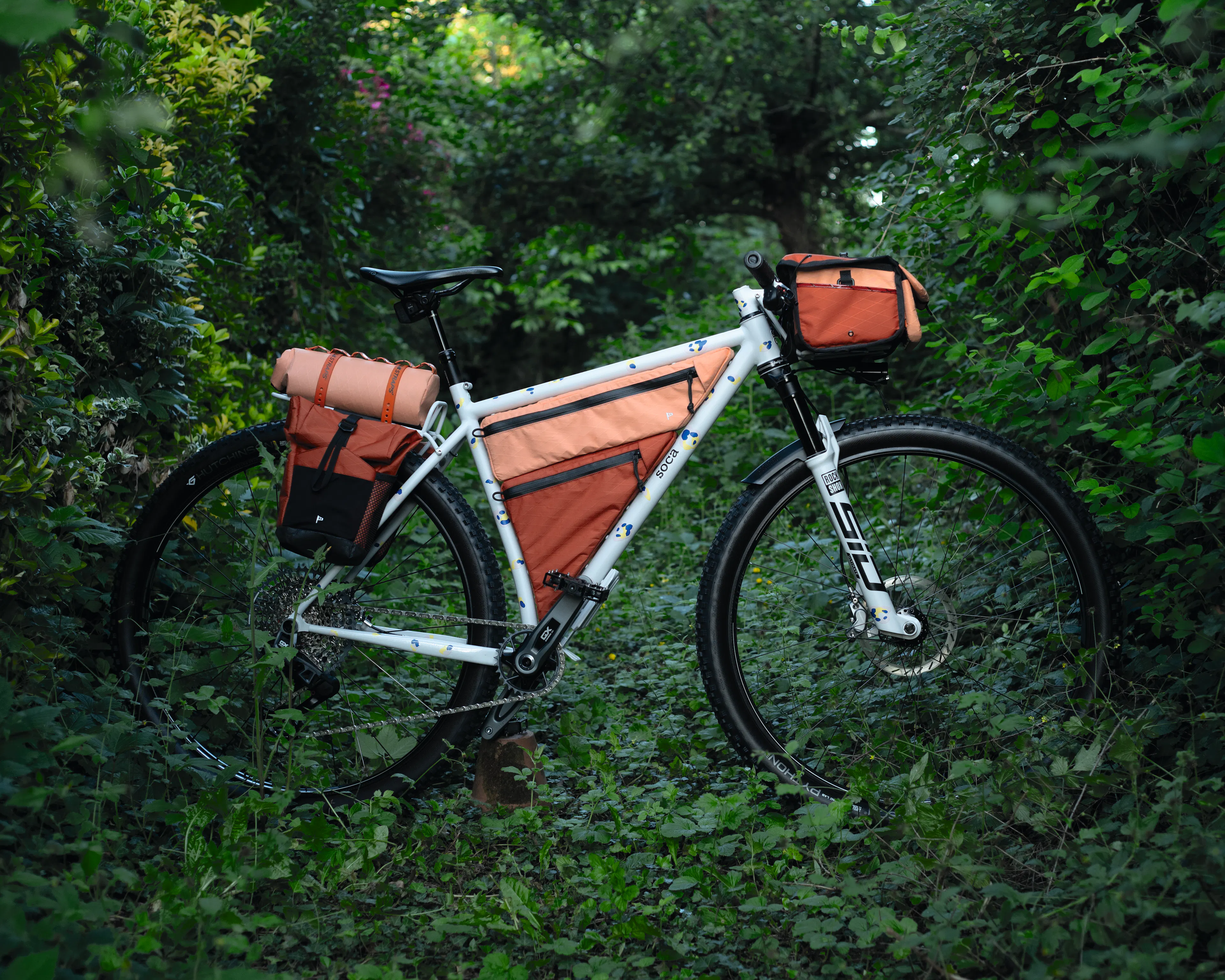
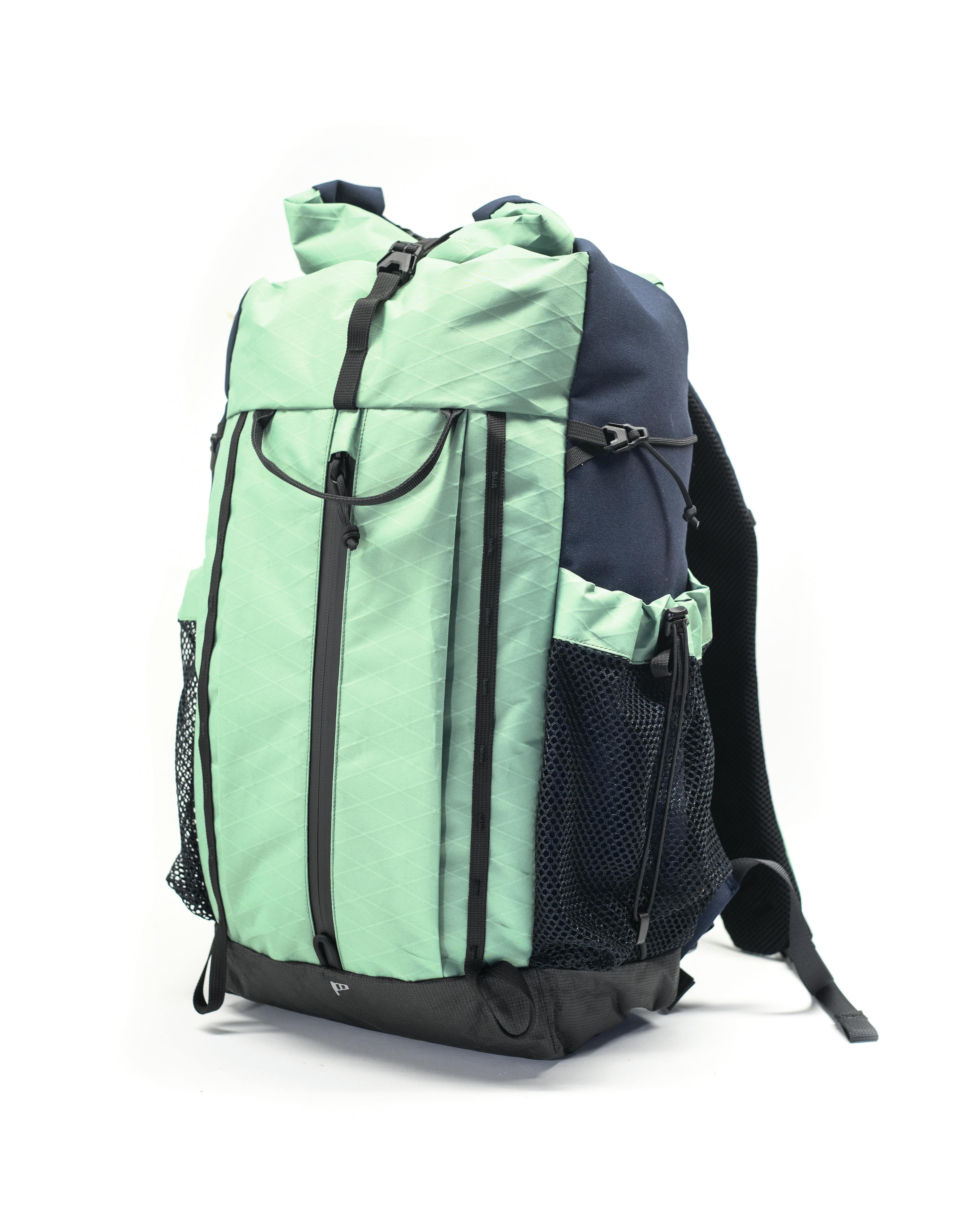
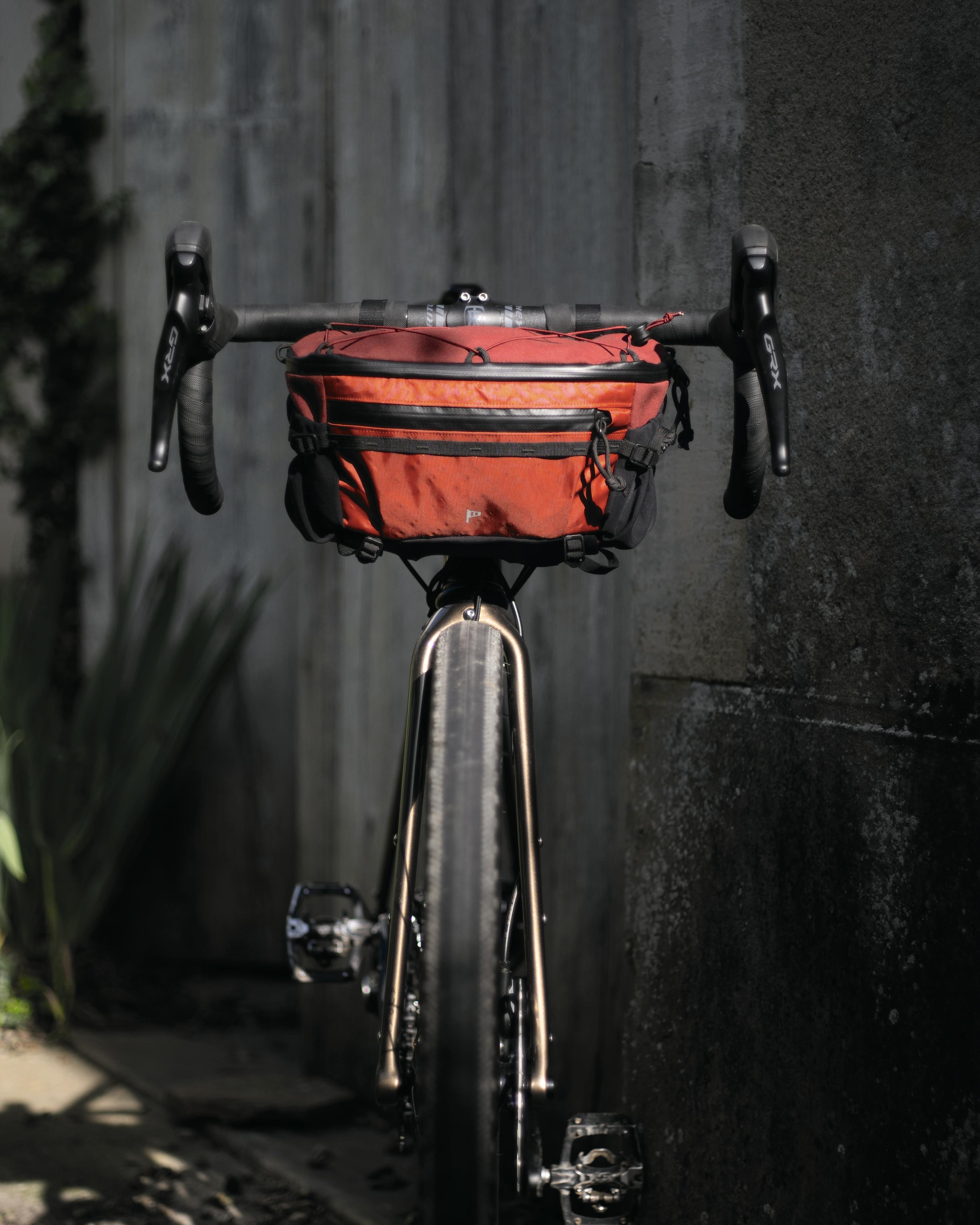
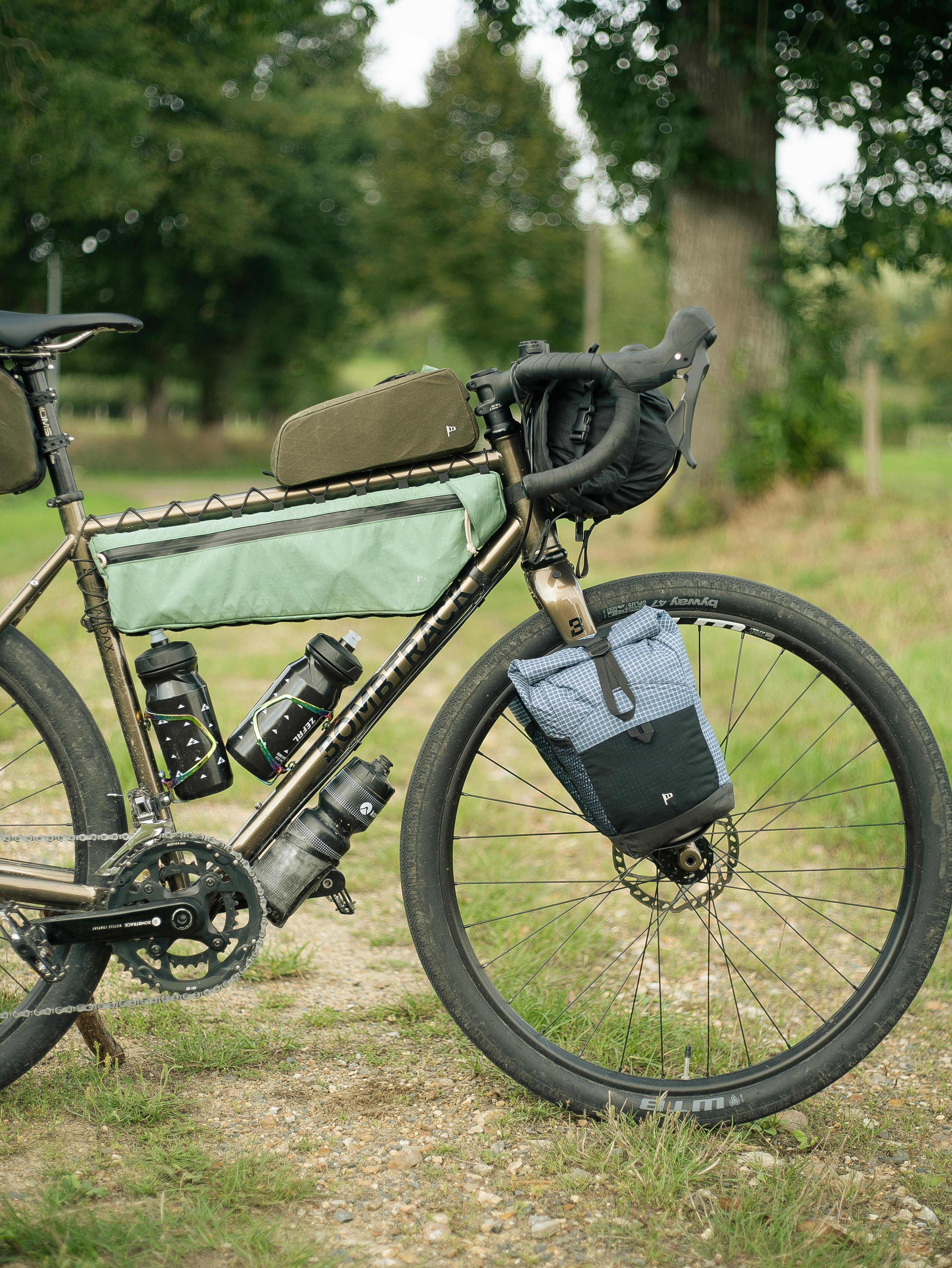
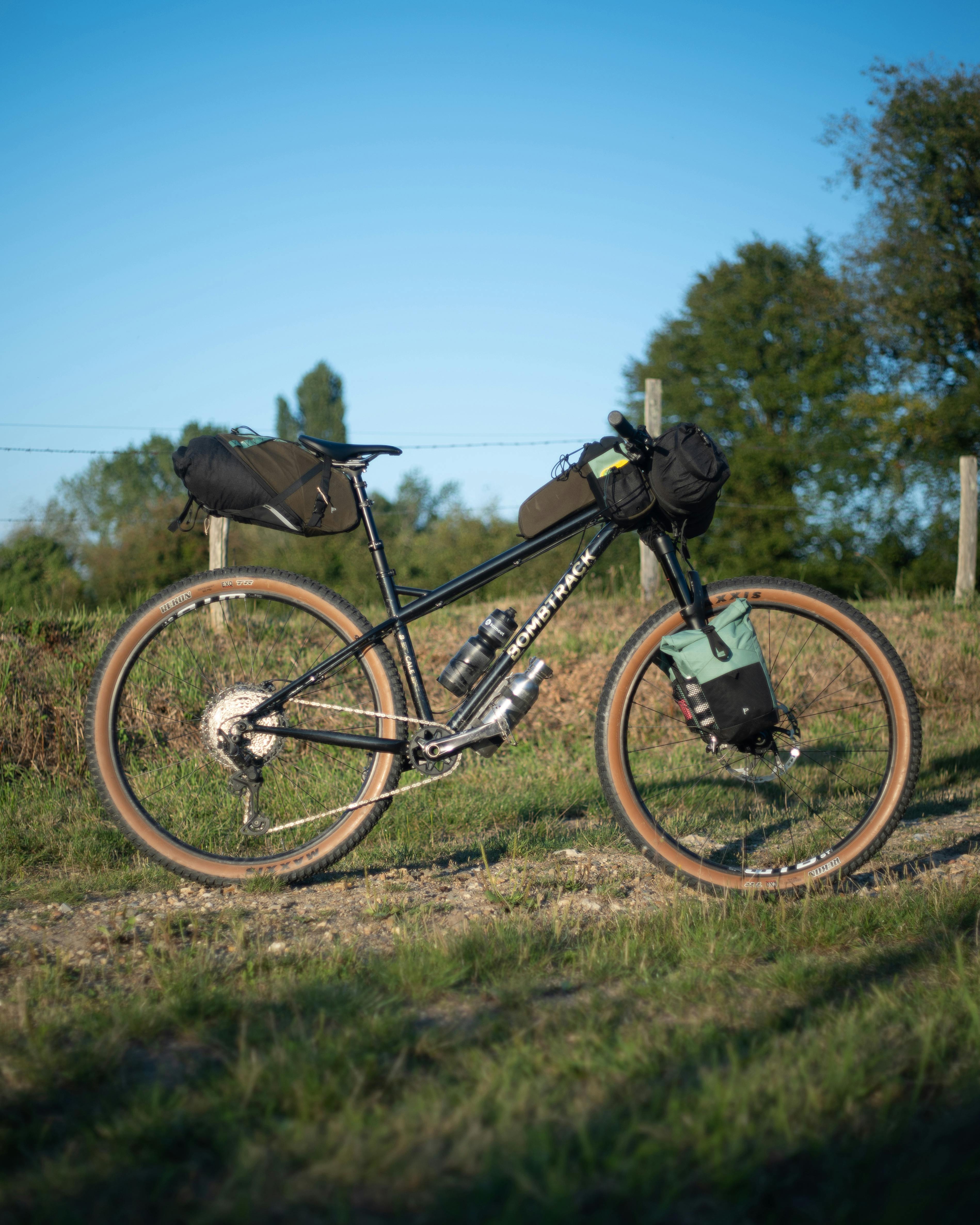
My name is Gaëlle Bojko and I’m a 27-year-old architect from France. I’ve been designing and making outdoor gear under the name Cours s’il pleut for just under a year, mostly bike bags and accessories for now.
What is the story behind the name Cours s’il Pleut?
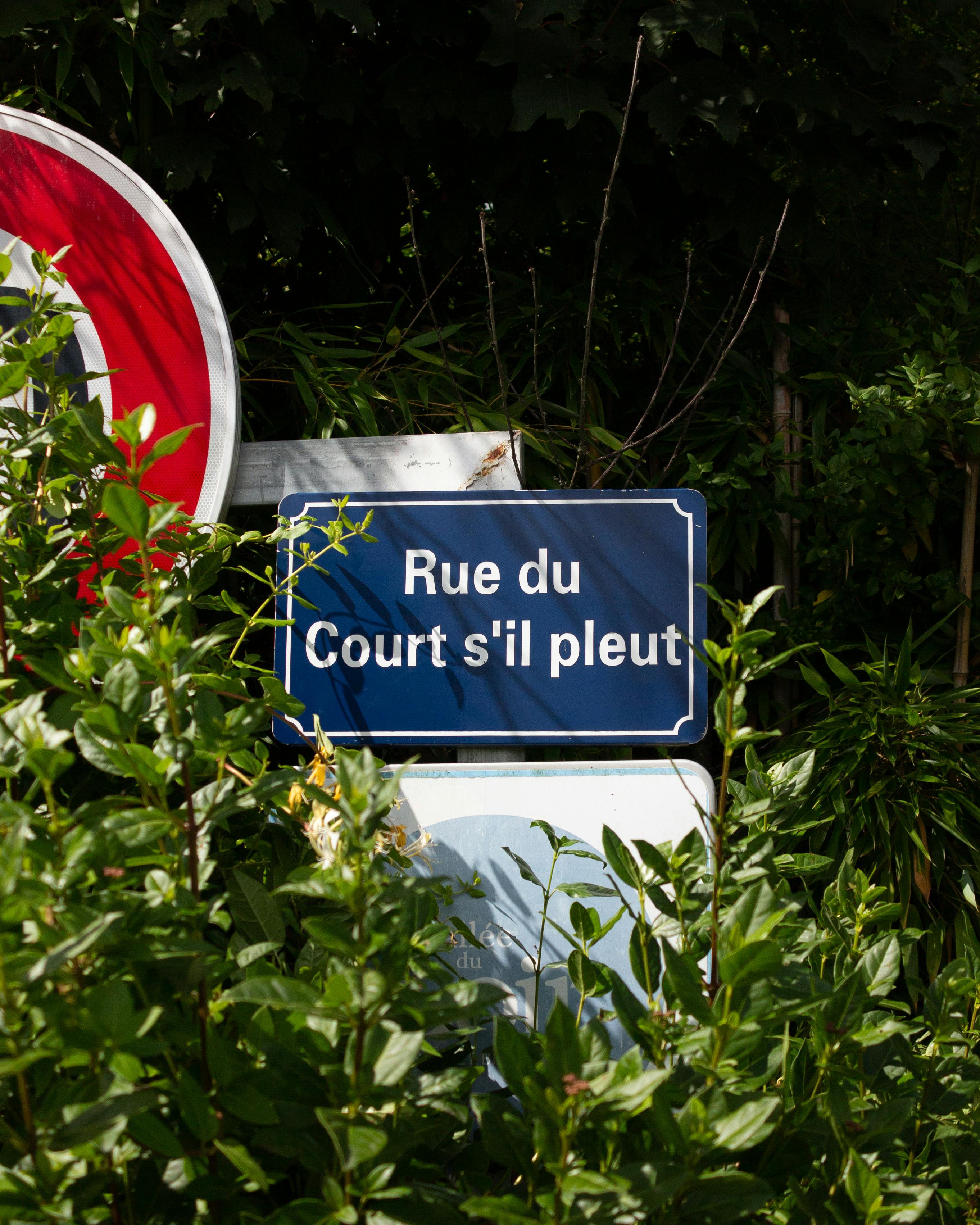
Cours s’il pleut is the name of a small stream that flows close to the village I grew up in in France, and where my workshop is at the moment. It can be found with two spellings, Cours s’il pleut in one place and Court s’il pleut in another – both being pronounced the same. The first spelling means ‘run if it rains’, the second ‘[the stream] flows if it rains’. Cours s’il pleut has always made my mum and I smile, and after spending weeks looking for a name to identify the things I make, and as my mum was dealing with health issues, Cours s’il pleut came back to my mind. I decided to go for it as it has both a joyful tone and a reference to movement and the outdoors. I’m really glad I did, I remember my mum who has passed since every time I say it now and it still makes me smile all the same, especially if I find myself speeding up my pace because it is raining.
To someone who isn't familiar with Cours s’il Pleut, what would you say stands you apart from other bikepacking bags and packs? What makes your designs special?
Cours s’il pleut is about making outdoor gear at a small scale, but I don’t view it as a set line of business (yet), rather as a creative endeavour that can still morph if I want it to. I’m still finding my foot, experimenting and clarifying what I like to do. I know I’m interested in creating things, developing them and then making them, particularly when it comes to objects meant to be used outside. Working with both my mind and my hands is really important to me and it's something that I’ve missed in conventional architecture practises.
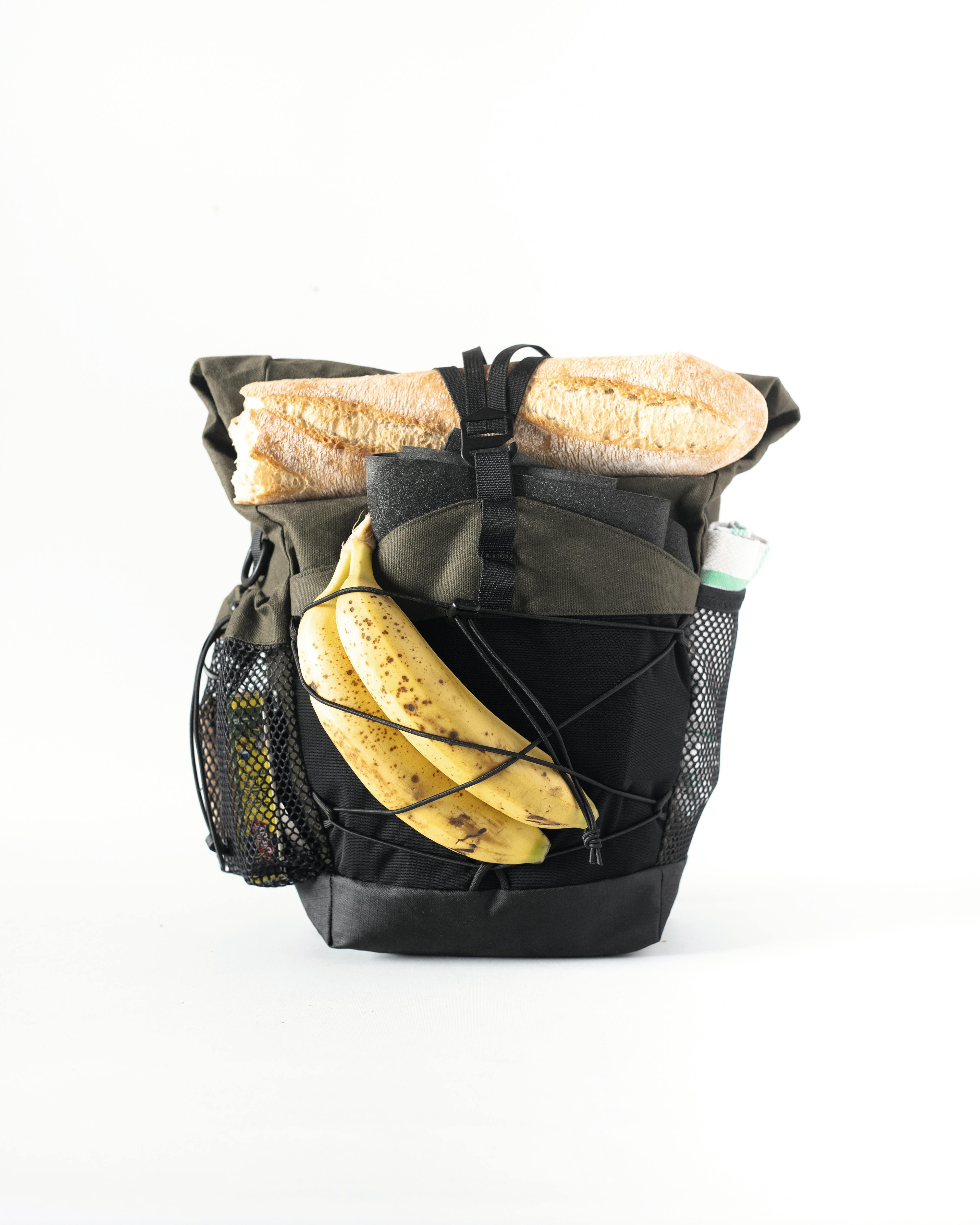
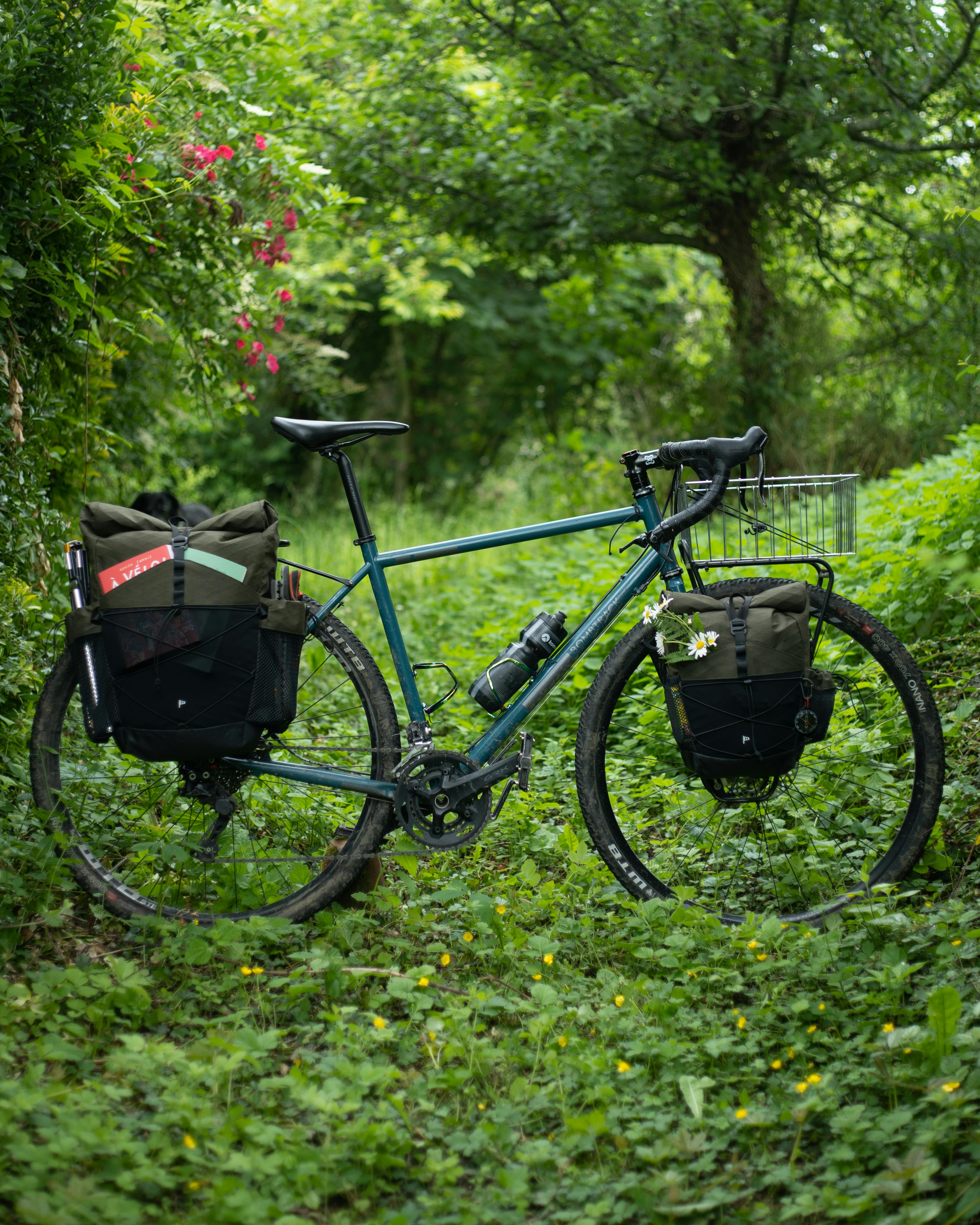
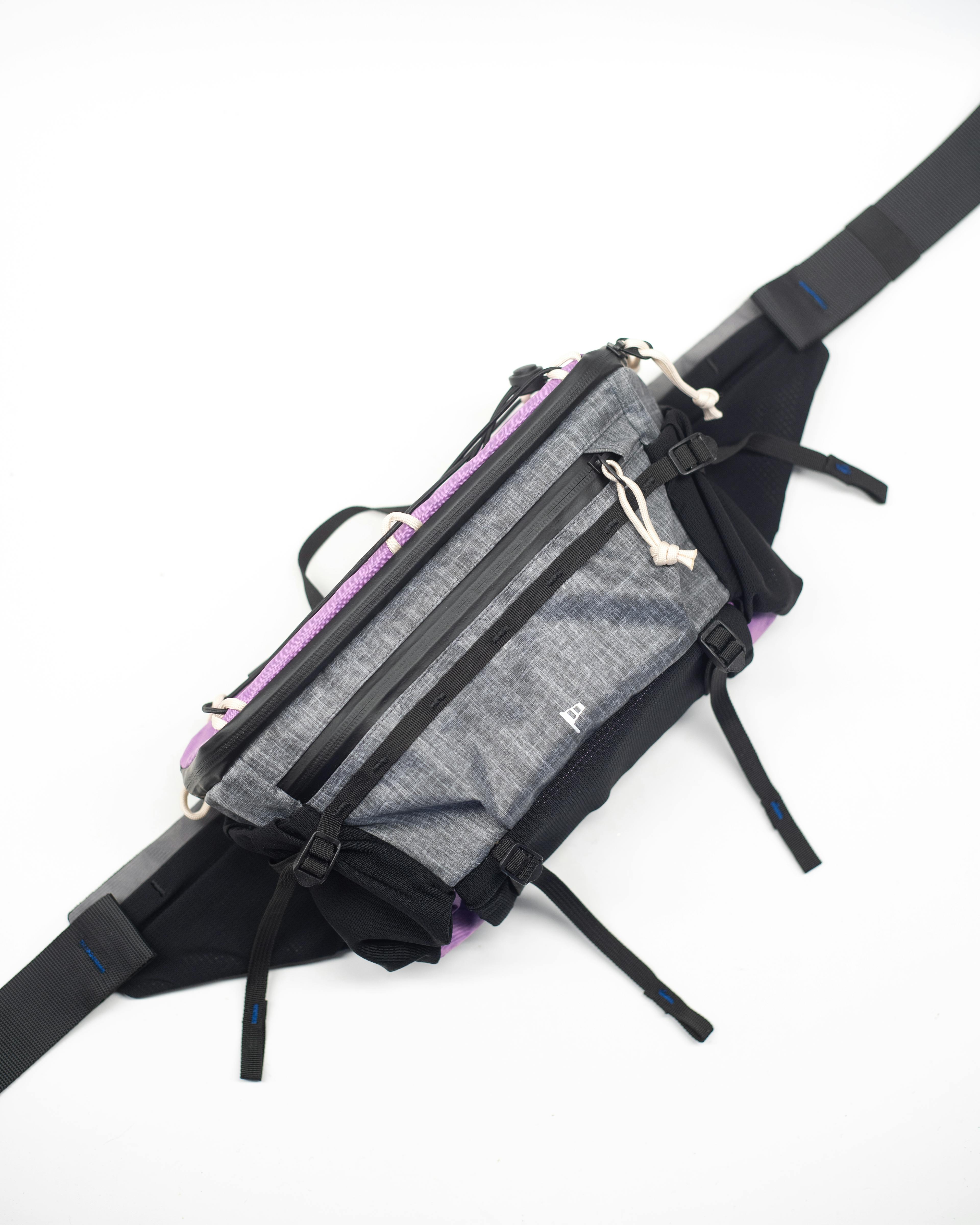
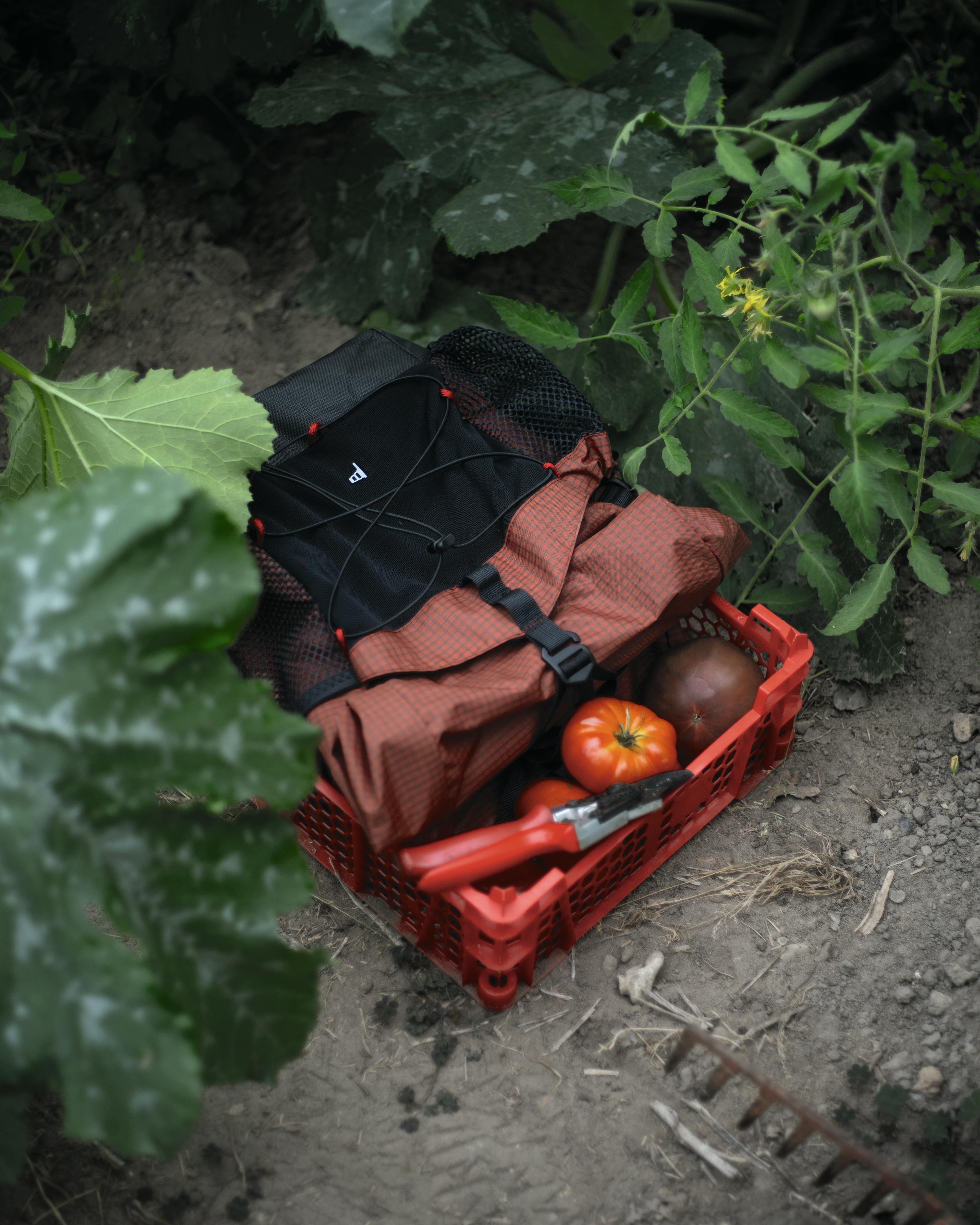
For now, I focus on keeping Cours s’il pleut on a rather intimate level, making outdoor equipment that I like and use – which is a slow process, it's hard for me to be pleased with what I do. As I enjoy practical objects, that’s what I’ve been working on this past year. I have a deep appreciation for pockets, materials that are easy to care for and versatility, and I try to reflect that in the things I make.
What made you start a technical bikepacking company in the first place? Have you always been interested in designing and making outdoor goods?
Sewing has always had some place in my life as I grew up watching my mum and grandmother make clothes and various textile items, but I never considered taking a creative educational path as I’ve always been pretty academic and followed the studious route that was expected of me.
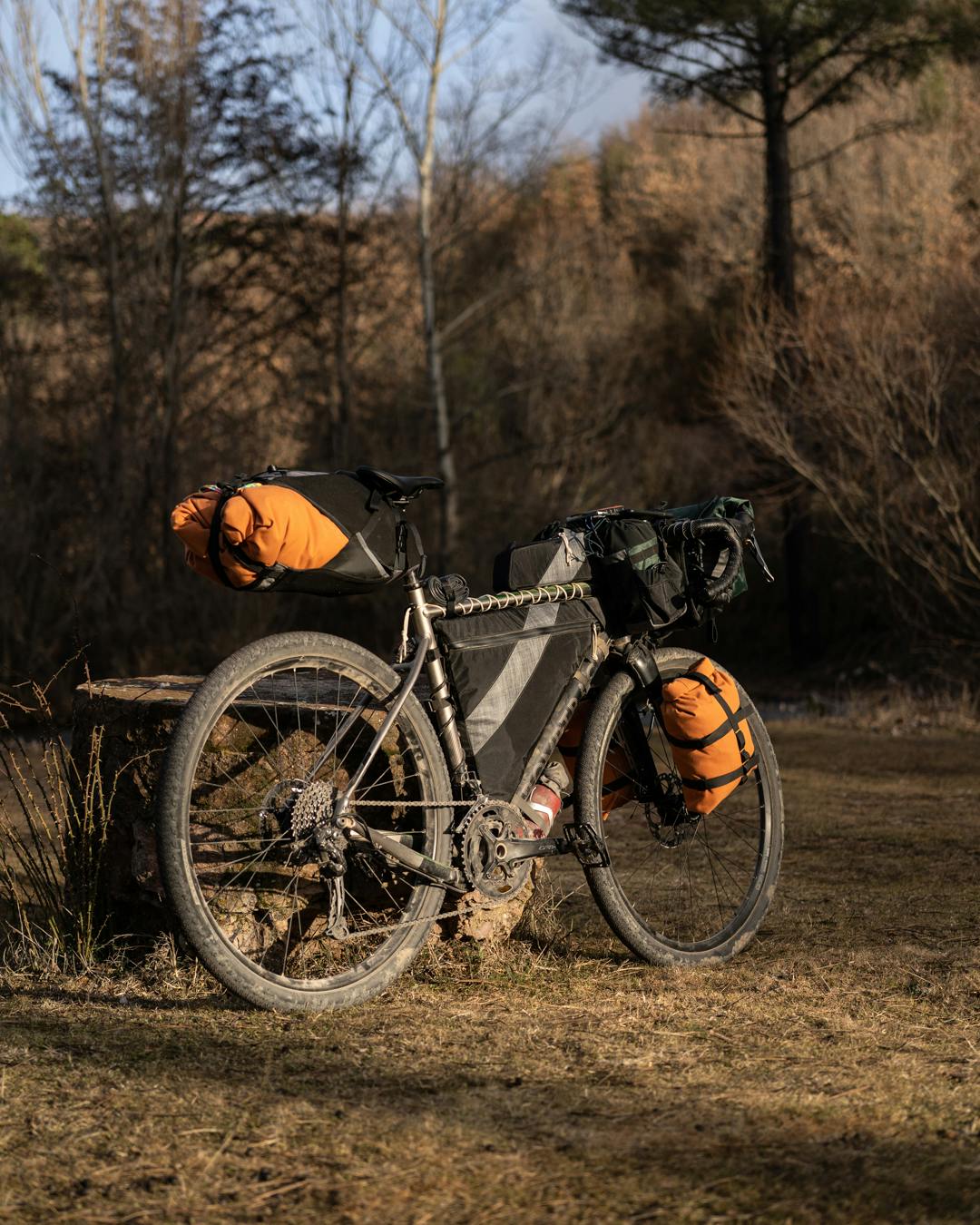
I made my very first bike bag in 2017 after coming back from my very first bike tour which took me across Scotland. I had used a traditional bike touring setup with welded panniers and kept wishing there were more compartments to put away my gear, so made myself a few pouches and small bags to have smaller storage spaces instead of a huge, empty volume to fill up.
I then left in 2018 on a year long bike trip during which I used bags from a French manufacturer. I started looking at the bags closely, also spent a few days in their workshop understanding how they used to work, and this opened up a whole new world to me : I could make the things I wished I had.
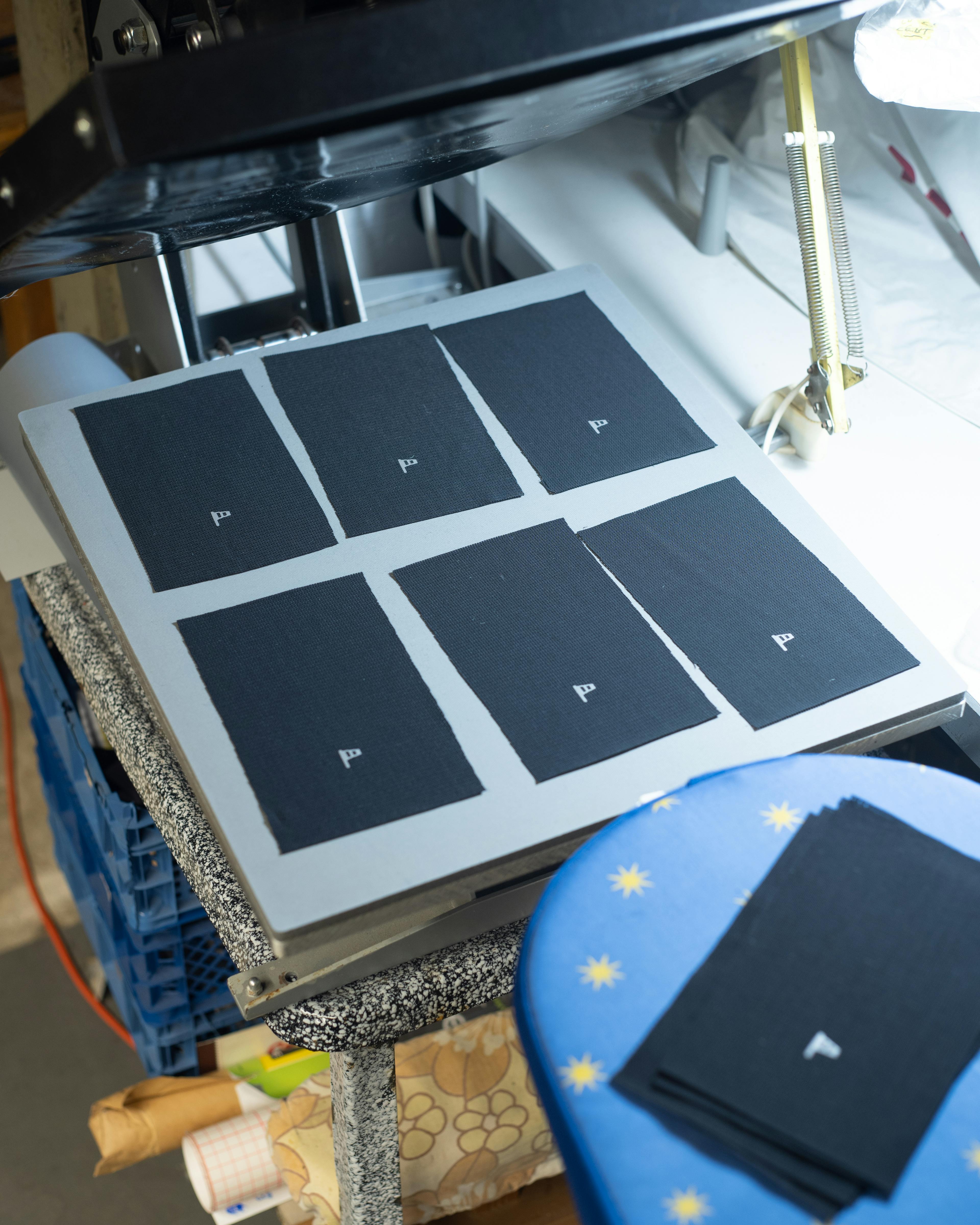
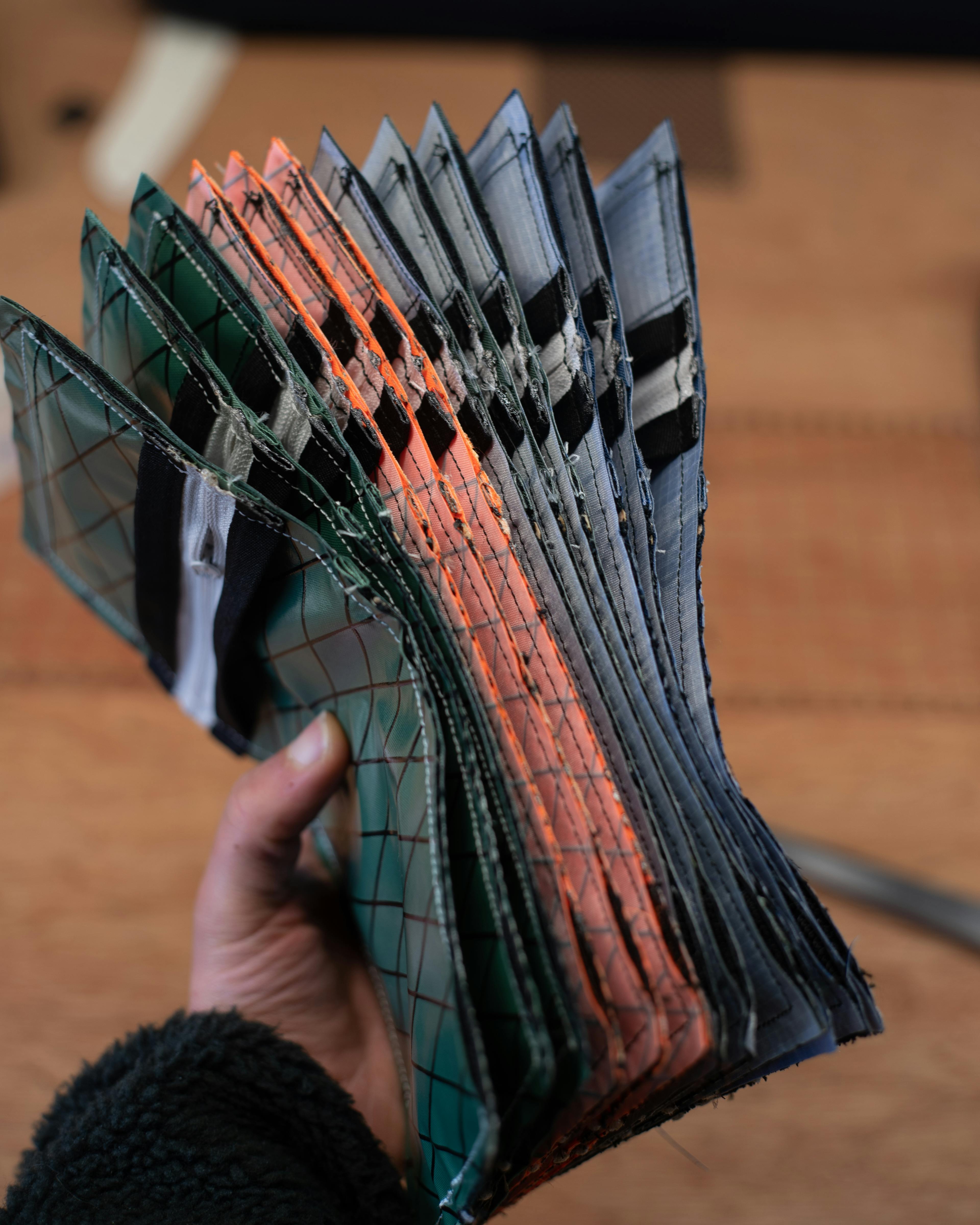
When I got back in 2019, I started making bags for myself and friends on a small sewing machine, and slowly upgraded to an industrial one while experimenting with different fabrics and shapes. I’ve tried out at least one new bag on every bike trip, long or short, between 2019 and today.
What made you start a technical bikepacking company in the first place? Have you always been interested in designing and making outdoor goods?
Sewing has always had some place in my life as I grew up watching my mum and grandmother make clothes and various textile items, but I never considered taking a creative educational path as I’ve always been pretty academic and followed the studious route that was expected of me.
I made my very first bike bag in 2017 after coming back from my very first bike tour which took me across Scotland. I had used a traditional bike touring setup with welded panniers and kept wishing there were more compartments to put away my gear, so made myself a few pouches and small bags to have smaller storage spaces instead of a huge, empty volume to fill up.
I then left in 2018 on a year long bike trip during which I used bags from a French manufacturer. I started looking at the bags closely, also spent a few days in their workshop understanding how they used to work, and this opened up a whole new world to me : I could make the things I wished I had.
When I got back in 2019, I started making bags for myself and friends on a small sewing machine, and slowly upgraded to an industrial one while experimenting with different fabrics and shapes. I’ve tried out at least one new bag on every bike trip, long or short, between 2019 and today.
Where do you get your inspiration from and design ideas? Is a lot of what you design and make ‘solutions’ to problems you have had with previous bags, or more experimentations?
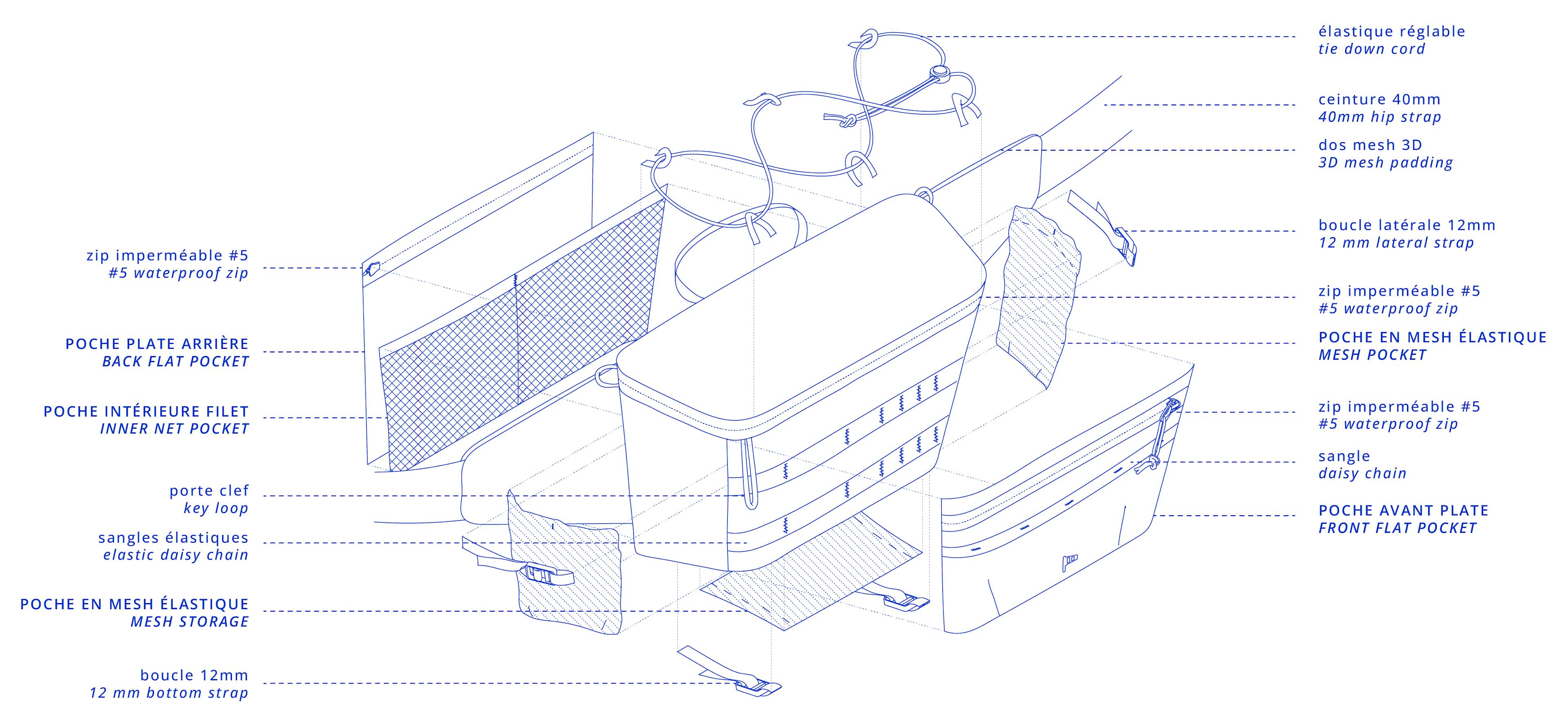
All the equipment I offer is gear I first made for myself and then put to the test. Most of them are a personal take on a style of bag or type of clothing, with answers to problems I’ve encountered while being outside. I try to keep an overview of the things I make to have a visual unity, but that also comes naturally from the choice of fabrics, components and personal tastes.
When developing different bags, how important is the fabric and materials you use? How do you balance durability but also weight?
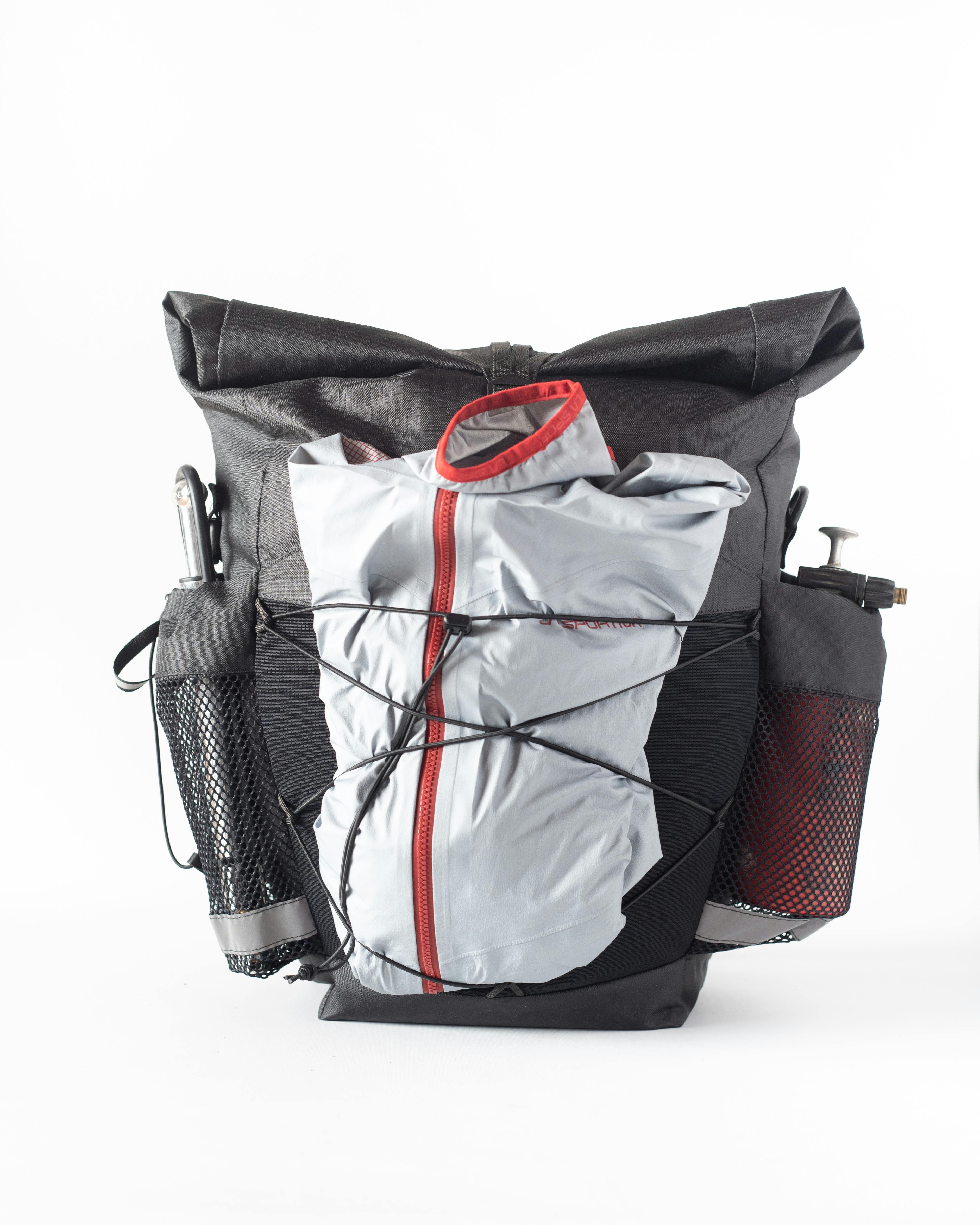
I can be quite harsh on my own equipment so the choice of fabrics and components stems from experiences I’ve had. I think spending a year on a bike also helped me judge how items wear with time, which parts are prone to abrasion or how water seeps in over time, for example. I like using different fabrics on different parts of a bag to maximise their durability while minimising the weight.
However, having different fabrics has a strong visual impact on an item as it tends to look much more technical. I’ve been working on some apparel lately and chose to use one same fabric for all the visible parts, as I wanted them to not look too heavy-duty so they could be worn on different occasions.
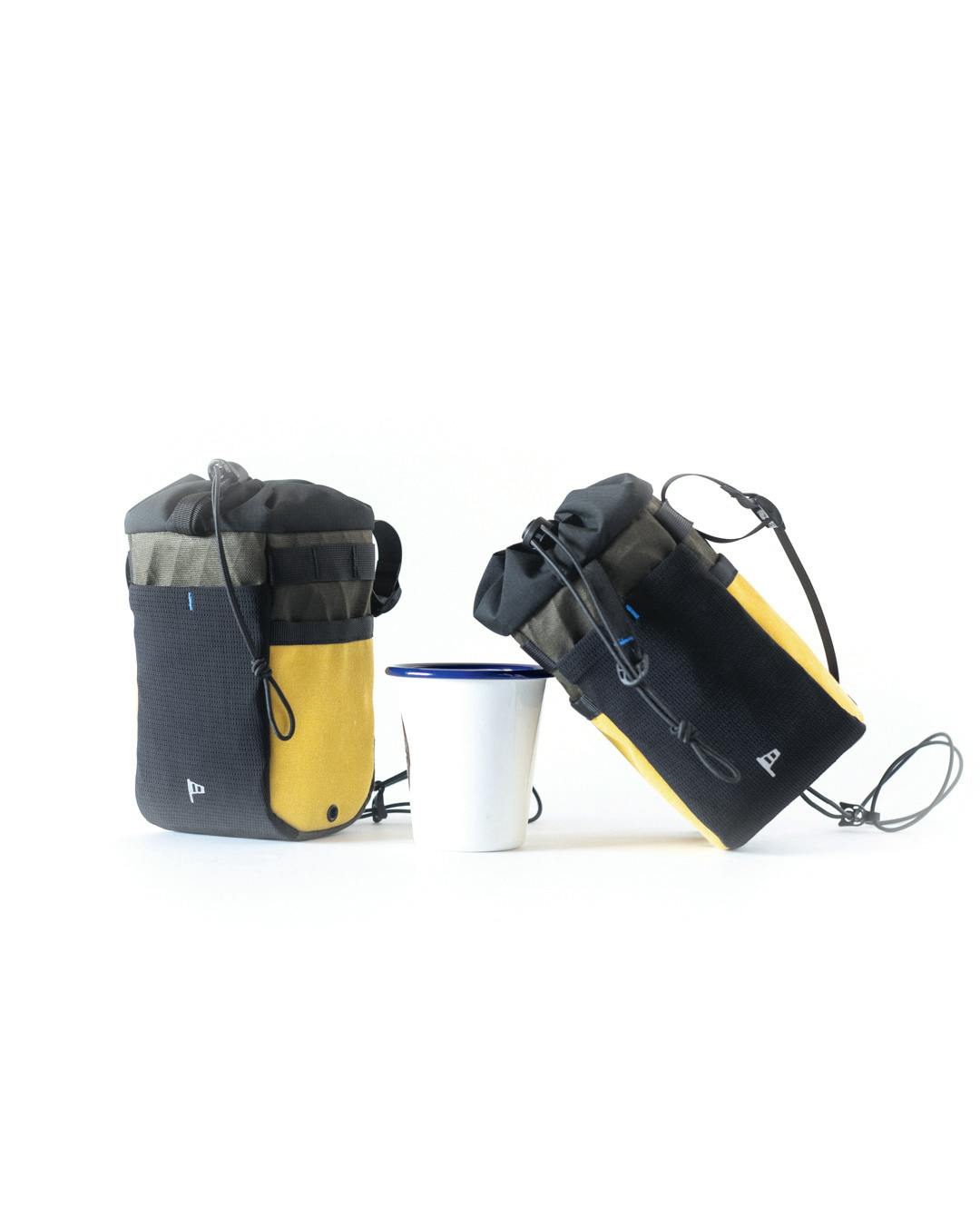
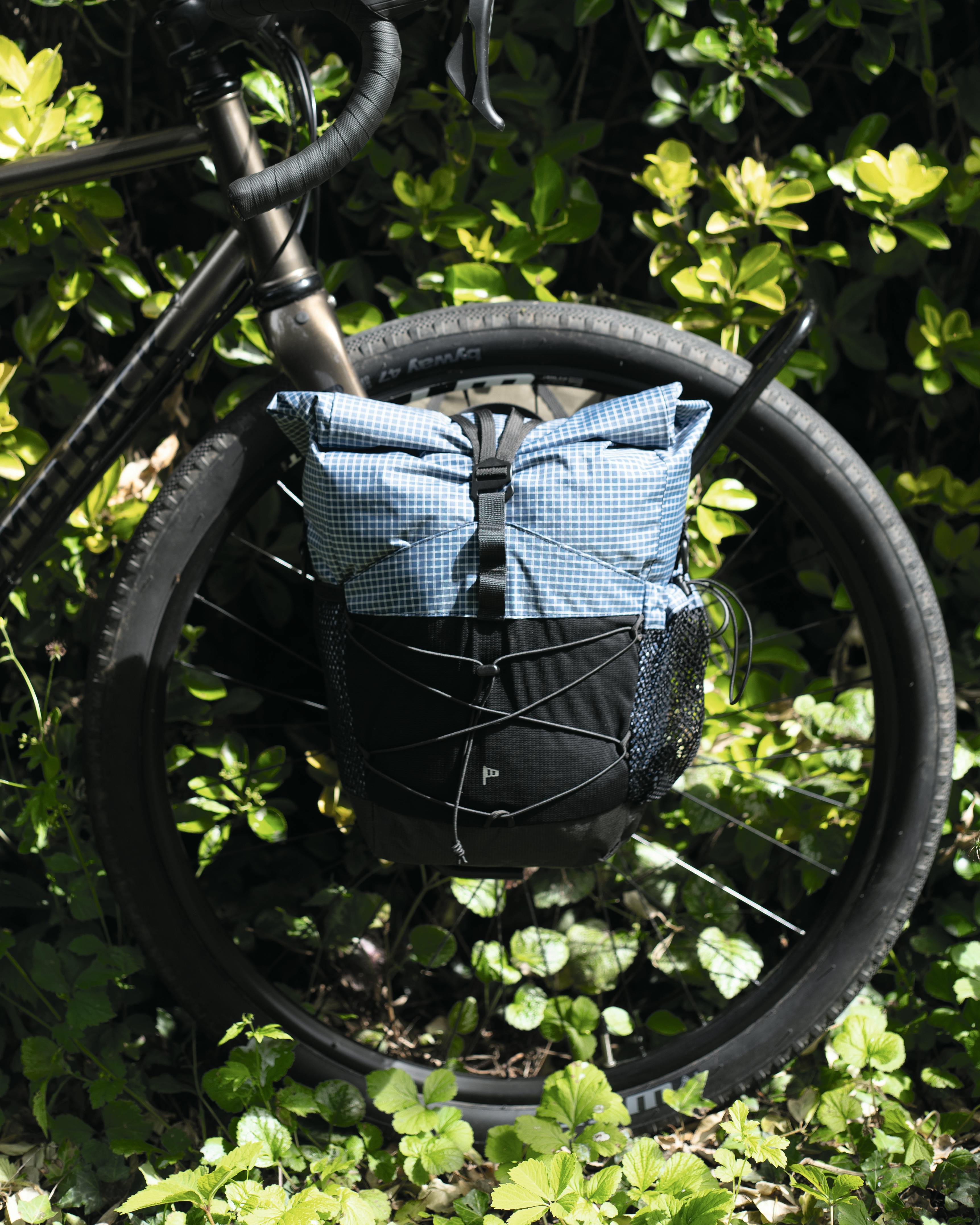
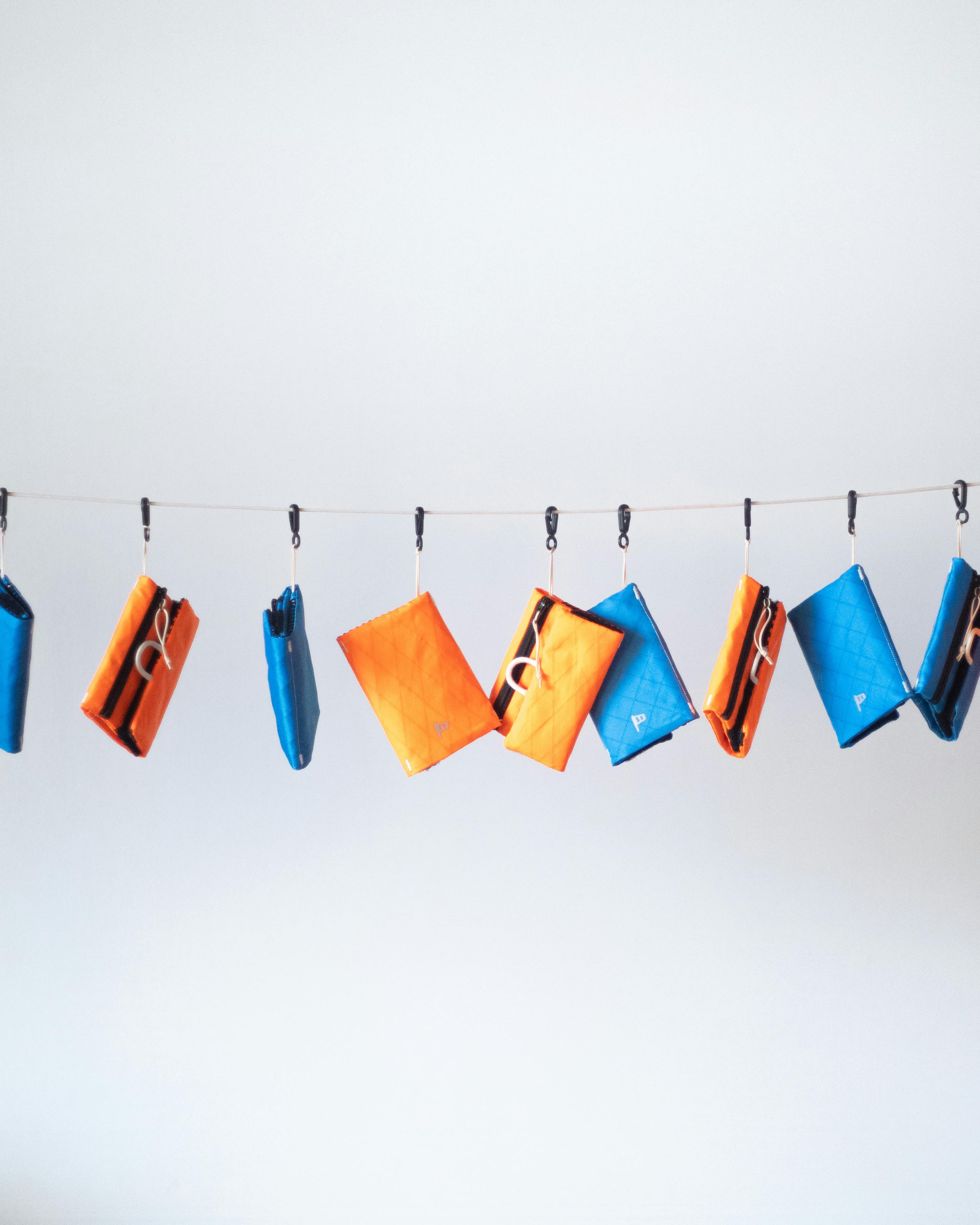
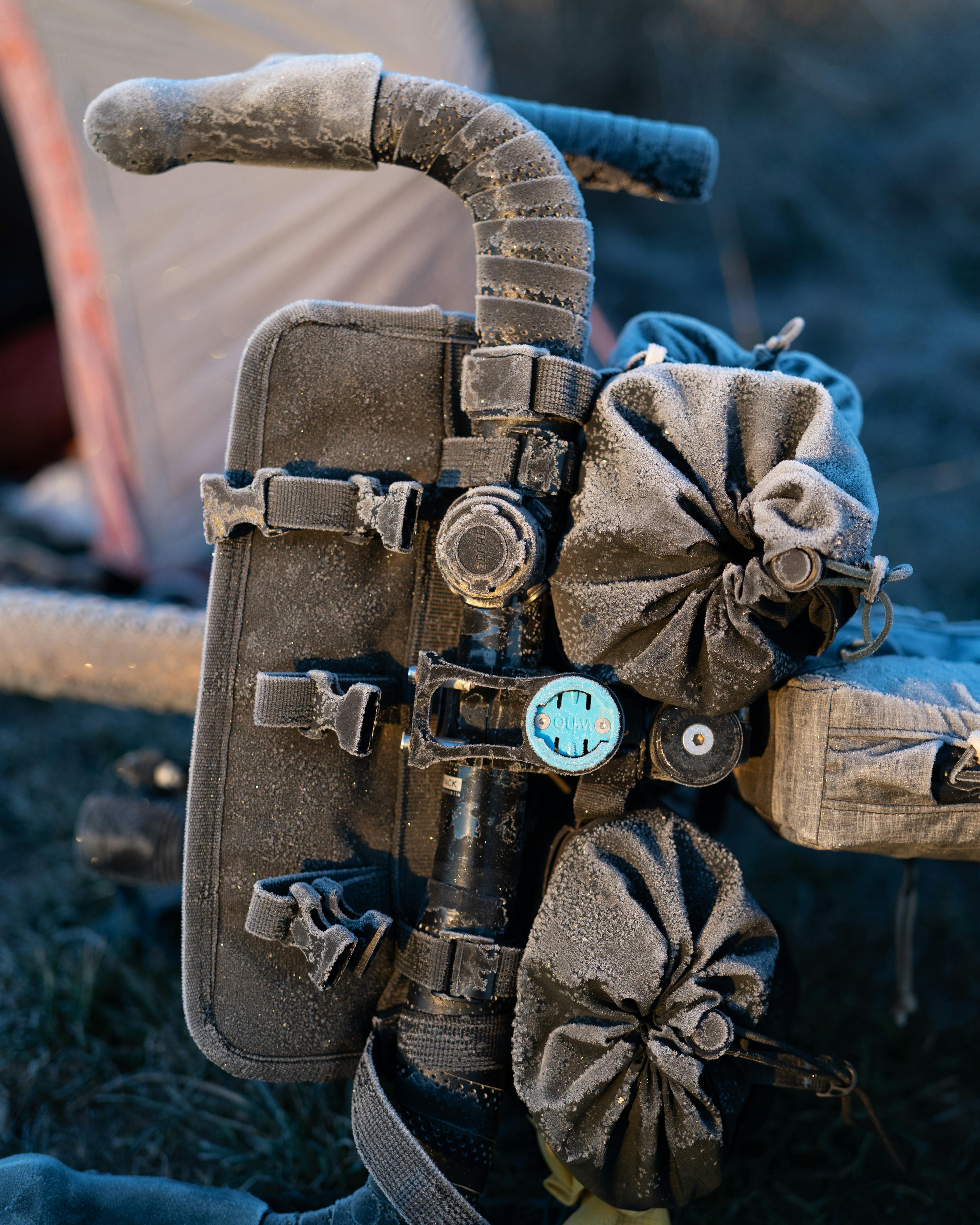
What are the majority of your bags made with? Do you have a favourite material or mix of materials that you like to use, and why?
All the bag fabrics I use are waterproof, and I tend to prefer those that don’t have too much of a technical or shiny aspect, such as some types of X Pac, Ultragrid fabrics, and Sunbrella canvas. I also like mixing styles, and I’m quite into the combination of extremely hard wearing Ultra fabrics from Challenge Sailcloth with some fabrics with a more natural feel or colour, like cotton duck X Pac or matte synthetic fabrics.
I’ve been testing several materials and weights for the clothing I’ve been working on, to choose the most appropriate one according to the intended use. I wanted to make a lightweight pair of trousers so chose a thin 100% polyester tightly woven canvas, which is also very compact, fast drying and durable. For shirts, however, I set my mind on using natural fibres as they absorb moisture and manage odours better. The first batch of shirts will be offered in pure linen canvas and a beautiful ramie-wool-mohair blend which can be worn year-round.
How do you manage your carbon footprint and be as environmentally conscious as possible?
The majority of the waterproof fabrics I use today are from an overproduction stock, which I bought off a French company who used to make bike bags. I try to choose fabrics with recycled fibres for the ones that I do buy new. But more importantly than the choice of fabrics, I try to be mindful in the construction of the object so it can be repairable, whether it’s a buckle needing changing or a torn piece. As for clothing, I’ve decided to use only deadstock materials for now, as they allow me to use better quality fabrics without having to charge more while keeping them out of a landfill somewhere in the world.
I also include a small mend kit with some items to repair them on the fly or once back home. It usually consists of a few fabric patches that can be sewn on or fused with heat (an iron), some adhesive repair patches, and, for clothing, matching thread and a needle, with a small booklet about mending techniques. I’m also happy to repair equipment I've made and that has worn out or broken.
How important is the relationship between spending time outdoors on a bike and designing custom bags, to be used in such environments?
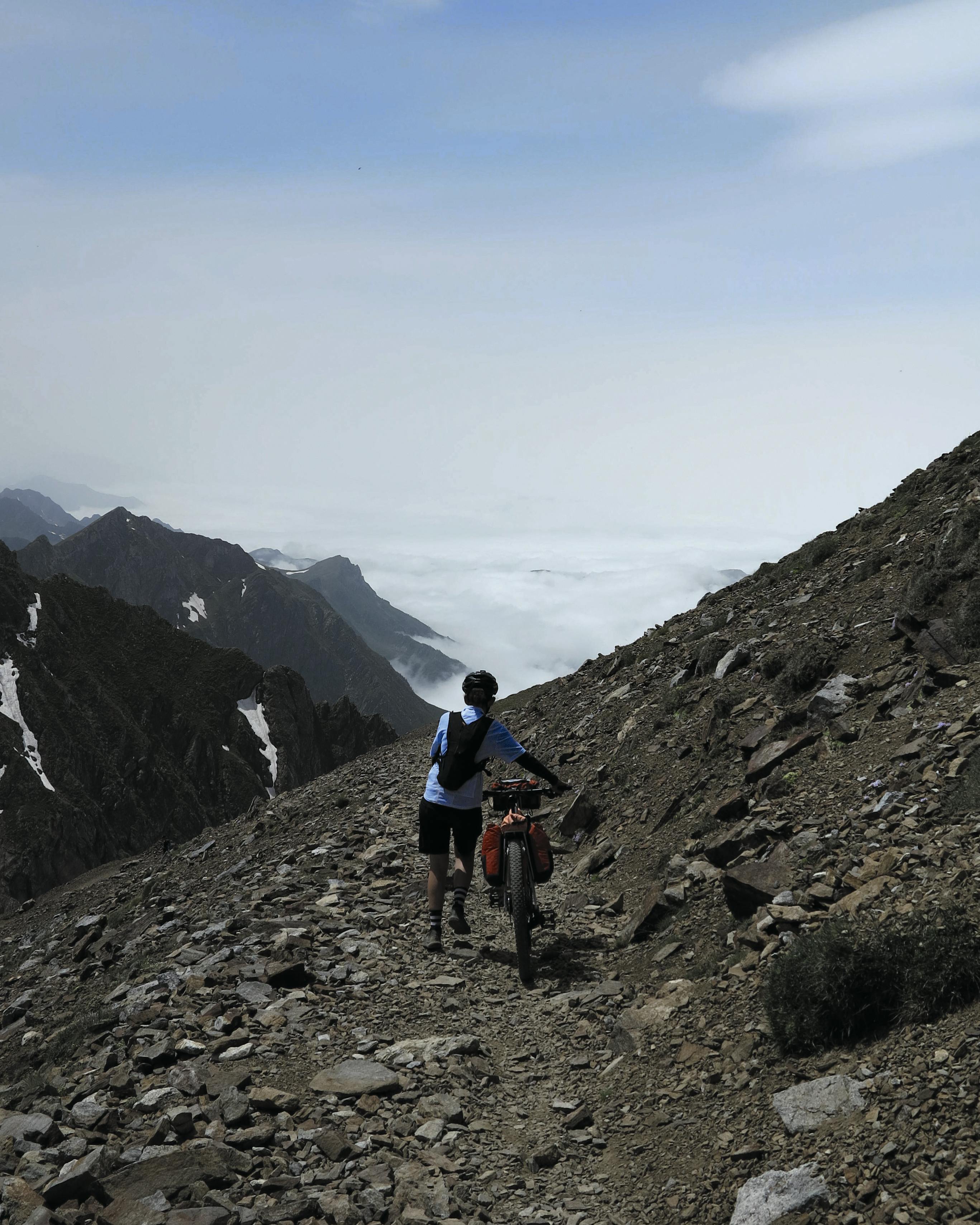
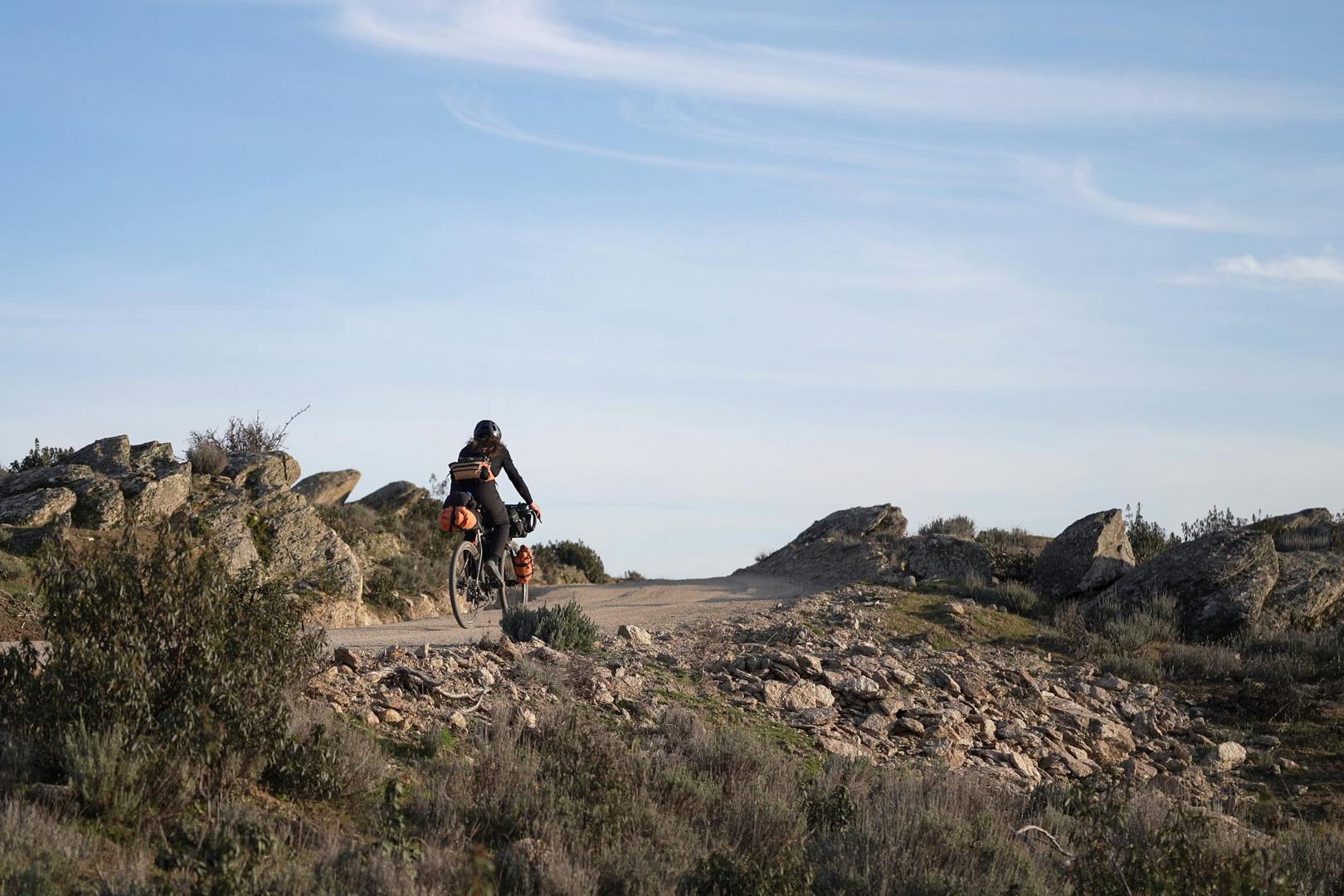
Spending time outdoors is really important to me, as this is where and how I find ways to improve things and come up with new ideas. Being in the outdoors with other people is particularly helpful as the conversations sometimes naturally focus on equipment, ideas, or problems, and what was once an answer suggested as a joke has, at times, evolved into something that I've actually carried out – with some more thought to it. Also, being outside even for a short period of time really helps in clearing my mind and dealing with thoughts that aren’t helpful, which in return also helps to progress, learn and find answers.
Where is the coolest place you have seen one of your bags in the wild, and how does it make you feel?
I am extremely thankful and grateful to all the people who have ordered some piece of equipment from Cours s’il pleut, be it a wallet or a full bikepacking set or a pair of insulated oversocks. I wasn't sure what to expect from Cours s’il pleut but sending parcels to Japan, the US or Taiwan wasn't something I anticipated and it felt a bit unreal (the postwoman from the tiny village I live in seemed to agree). On a few occasions, a friend or I spotted a bag I’ve made on a trail or at an event and that is both pretty terrifying – as I hope the bag suits their needs – and extremely gratifying. It’s a unique and profound feeling to actually see, without expecting it, something I’ve put my heart into making, being used and seemingly enjoyed. Starting Cours s’il pleut has already taught me so much and I’m really excited about what is to come.
Interview exclusive to Issue One of New Mountain Magazine. All images copyright Gaëlle Bojko.